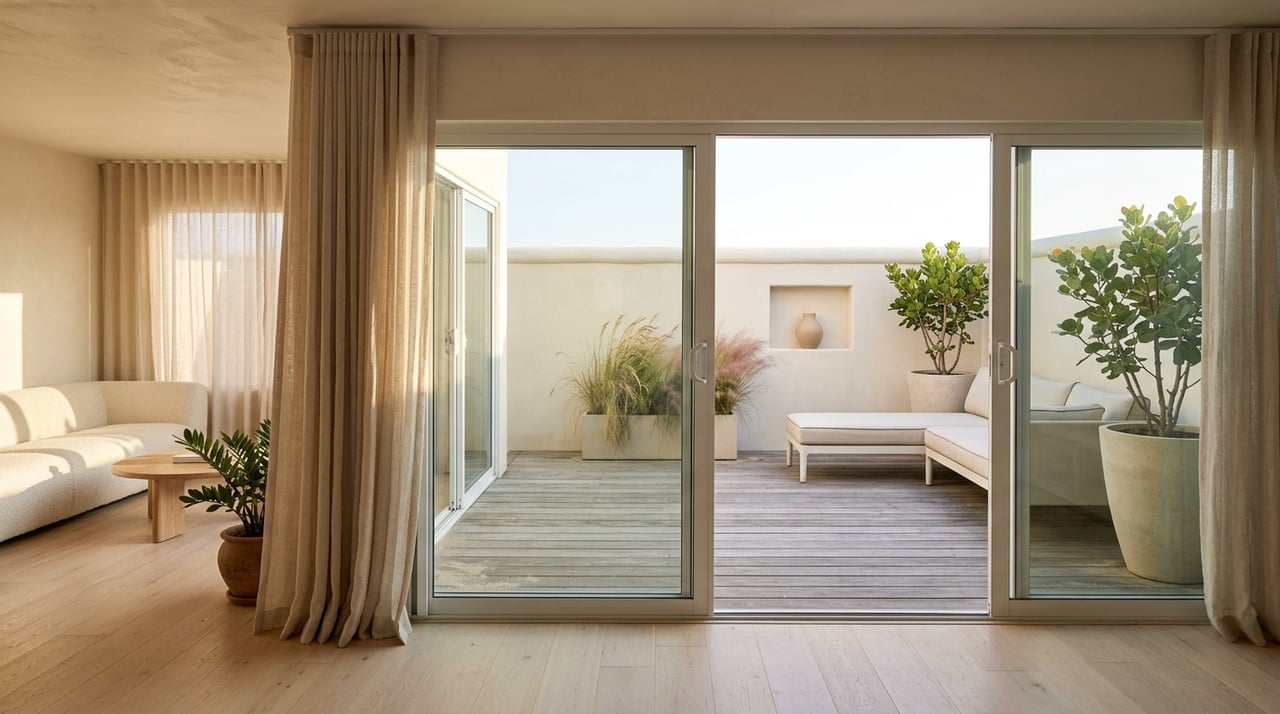
Living on Pensacola Beach Full Time: Real Tradeoffs
June 11, 2026
June 11, 2026
If you’ve ever spent a perfect afternoon on Pensacola Beach and thought, Could I actually live here year-round? you’re not alone. Full-time life on the island can feel like a dream, but it also comes with routines, rules, and tradeoffs that are very different from living inland. If you’re thinking about making the move, this guide will help you understand what daily life really looks like, from bridge traffic and beach access to storm prep and the island’s unique property structure. Let’s dive in.
Pensacola Beach is a small barrier-island community on Santa Rosa Island in Escambia County. According to the Santa Rosa Island Authority, the area covers about 1,474 acres across an eight-mile stretch and has roughly 2,000 residents.
That smaller scale is a big part of the appeal. You get a place where water, sand, and open views are part of everyday life, and where even simple routines can feel more relaxed than they do inland.
One of the biggest things to understand is that Pensacola Beach is not set up like a typical neighborhood. The beach is owned by Escambia County and managed by the Santa Rosa Island Authority, and land is held through leases that can run up to 99 years rather than traditional land ownership.
For buyers, that means it is important to understand the leasehold structure before you make a move. It can affect how you think about ownership, long-term planning, and the overall character of the community.
SRIA also plays a visible role in day-to-day island management. Its board and committees oversee development, leasing, environmental review, operations, and special projects, which means life on Pensacola Beach can feel more regulated and more intentionally managed than many inland areas.
Living full time on Pensacola Beach means the bridge becomes part of your routine. Whether you are heading to appointments, larger stores, or errands off the island, many day-to-day needs still involve crossing back to the mainland.
There is an electronic toll plaza at the entrance to Pensacola Beach. The base toll is $1, and homestead residents can get up to two $5 annual passes. A public annual pass costs $20 per year.
That cost is not huge, but the toll and the bridge do shape how you plan your week. Many full-time residents likely batch errands, combine trips, and pay close attention to traffic patterns, especially during busy seasons.
If you only know Pensacola Beach during a quiet morning walk or a winter visit, summer can be a surprise. Traffic is highly seasonal, and official SRIA toll reports show just how dramatic the swing can be.
A quieter winter Saturday may see about 7,200 passages, while spring weekends can top 27,000. That tells you a lot about what island life feels like when the weather is good and events are happening.
During the busiest months, parking and congestion become part of daily planning. If you live on the beach full time, learning when to go, when to stay put, and when to use alternatives can make a big difference in your quality of life.
Pensacola Beach is not car-only, even though many residents still rely on their vehicles. The island can also be reached by ECAT bus routes 61 and 64, the Pensacola Bay City Ferry, bike, or on foot.
In summer, the free Pensacola Beach trolley adds another useful option. SRIA says the 2026 service runs daily from May 22 through September 7 from 4 p.m. to midnight, with stops at key spots like Casino Beach, Quietwater Beach Boardwalk, Park West, and Portofino Island Resort.
For a full-time resident, this matters because it gives you another way to enjoy the island without dealing with parking. It also shows how seasonal tourism shapes local infrastructure and routines.
If you live here year-round, the weather is not background scenery. It affects how you plan your day, how you maintain your home, and even when you go to the beach.
NOAA climate normals for nearby Pensacola Regional Airport show average highs of 91.6°F in July and 91.0°F in August. In January, the average high is 62.7°F and the average low is 43.7°F.
In plain terms, summers are hot and humid, and winters are mild. Full-time life on Pensacola Beach usually means getting comfortable with air-conditioning, watching the sun exposure during the hottest part of the day, and building your routine around the climate.
This may be the most important reality to understand before buying on Pensacola Beach. Coastal storm risk is not an occasional concern. It is part of year-round ownership and planning.
The Atlantic hurricane season runs from June 1 through November 30. SRIA states clearly that Pensacola Beach is subject to coastal storm and flooding hazards, that the entire island flooded during Hurricane Ivan in 2004, and that every property is subject to flooding.
That does not mean beach living is not worth it. It does mean you need to be honest with yourself about preparedness. Full-time residents need a storm plan, an evacuation mindset, and a clear understanding of what coastal exposure means in daily life.
One of the biggest benefits of living on Pensacola Beach is how accessible the shoreline is. You are not relying on one crowded entrance or one narrow stretch of sand.
SRIA highlights ADA-accessible dune walkovers, and the Fort Pickens area within Gulf Islands National Seashore offers multiple day-use parking lots and several beach access points. Langdon Beach includes restrooms, outdoor showers, parking, and a pavilion, which gives residents more than one practical option for a beach day.
That variety adds a lot to full-time living. It means you can change up your routine and enjoy different parts of the island depending on the day, the weather, or how much activity you want around you.
Easy access does not mean unrestricted access. Pensacola Beach is carefully managed, and those rules are part of what helps protect the shoreline and keep the area usable for everyone.
SRIA prohibits glass containers on the beach and does not allow dogs on the beach except in two designated dog parks. There are also no fires allowed on the beach, and swimmers must follow the beach flag warning system.
Red and double-red flags mean no swimming or wading. If you live here full time, these rules stop feeling like visitor tips and start feeling like normal parts of your routine.
For many people, this is the reason Pensacola Beach is worth the tradeoffs. The island offers a lifestyle where outdoor time is not something you squeeze into your weekend. It becomes part of a normal Tuesday.
The west end of the island includes Fort Pickens and the broader Gulf Islands National Seashore, which add recreational areas, wildlife viewing, and historic sites to everyday life. A walk, bike ride, or sunset stop can feel like a small reset instead of a major outing.
That is a real quality-of-life difference. When the beach, trails, and waterfront are this close, you tend to use them more often.
Pensacola Beach may be small, but it does not feel sleepy all year. The island has a dense mix of restaurants, bars, coffee spots, and waterfront hangouts, especially around the boardwalk areas.
The business map lists places such as Bonsai, Drift, The Grand Marlin, The Wharf Fish & Oyster Co., Bamboo Willie’s, Water Pig BBQ, Red Fish Blue Fish, and Fish Heads. For full-time residents, that creates a lifestyle that feels social and active, especially if you enjoy casual waterfront dining and community events.
The event calendar also shapes local life. Recurring events include Bands on the Beach, Cinemas in the Sand, the Pensacola Beach Air Show, Taste of the Beach, the Polar Bear Plunge, Snowbird Beach Bash, Beach-O-Ween, and the Art & Wine Fest.
This is part of what makes full-time living here fun. At the same time, it also means you are sharing your home base with a strong visitor economy, especially during peak seasons.
This is one of the more practical tradeoffs. Pensacola Beach has plenty of places to eat, gather, and enjoy the waterfront, but the island’s business mix is heavily oriented toward dining, nightlife, attractions, marinas, lodging, and visitor services.
For many residents, that means larger shopping runs and certain everyday errands still happen off the island. If you are considering a move, it helps to picture the beach as your lifestyle setting, while the mainland may still support part of your weekly routine.
For some buyers, that is a small price to pay for daily water access. For others, it is an important convenience factor to weigh carefully.
Pensacola Beach is often a strong fit if you want daily access to the water, a smaller community feel, and a lifestyle built around the outdoors. It can also appeal if you enjoy local events, waterfront dining, and the idea of living where other people vacation.
At the same time, the best fit usually comes down to how you handle the tradeoffs. Bridge dependency, tolls, summer congestion, storm exposure, and the island’s leasehold structure are all real parts of the experience.
If those factors feel manageable to you, full-time life on Pensacola Beach can be incredibly rewarding. If you want help weighing those details against your goals, lifestyle, and property options, The Sunchase Team is here to guide you home.
Stay up to date on the latest real estate trends.
The Sunchase Team are dedicated to helping you find your dream home and assisting with any selling needs you may have. Contact us today to start your home searching journey!
220 W Garden St Ste 200 Pensacola FL 32502