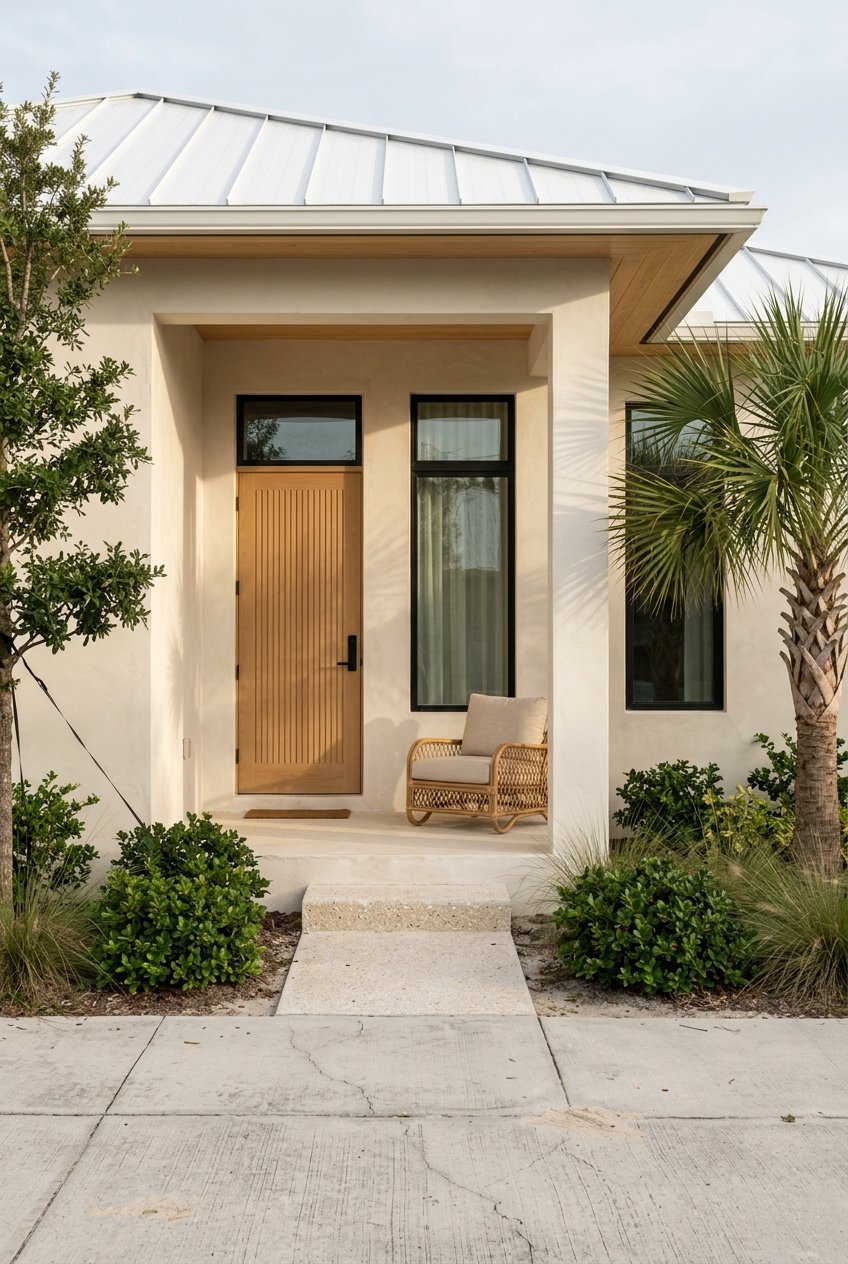
Downtown Pensacola vs Suburbs: Which Lifestyle Fits?
June 4, 2026
June 4, 2026
If you are torn between downtown Pensacola and the suburbs, you are not alone. For many buyers, this decision is less about miles on a map and more about how you want your day to feel. In Pensacola, the tradeoff often comes down to walkable energy versus spread-out convenience, and knowing that difference can make your home search much clearer. Let’s dive in.
Downtown Pensacola is the city’s historic core, with a dense mix of restaurants, entertainment, business centers, museums, galleries, parks, and public events. City and downtown district sources also note its architectural character, the Palafox Historic Business District, waterfront access, and a mix of modern condos and historic homes.
If you picture your ideal day including coffee, a short walk, dinner out, and an event nearby, downtown tends to deliver that rhythm better than anywhere else in Pensacola. It is the part of the market where daily life can feel the most connected and spontaneous.
In the broader Pensacola area, suburban-style living is more spread out and more driving-based. Instead of one concentrated core, you will find shopping corridors, residential streets, parks, outdoor recreation, and convenience points distributed across different parts of town.
Uptown Pensacola is centered around places like Pensacola International Airport, Cordova Mall, and Pensacola State College, and it sits about 10 minutes north of downtown via I-110. East Pensacola includes areas such as East Hill, Old East Hill, and East Pensacola Heights, where the feel is more residential, with parks, Bayou Texar, and waterfront recreation. North Pensacola offers another suburban-style option with UWF, lakes, rivers, woodlands, and I-10 corridor convenience.
If walkability is high on your list, downtown is the clear standout. Local sources describe it as a pedestrian-friendly area where restaurants, galleries, museums, parks, and events are clustered close together.
That means errands and outings can feel simpler. You may be able to park once, or in some cases not drive at all for part of your day, which is a real lifestyle advantage if you enjoy being out and about.
In suburban parts of Pensacola, convenience still exists, but it is more spread out. Dining, shopping, parks, and daily stops are often reached by car instead of by foot.
For many buyers, that is not a drawback. If you prefer loading up errands into one trip, pulling up close to your destination, and heading home to a quieter residential setting, the suburban routine may feel much more natural.
Downtown Pensacola has the strongest concentration of restaurants, bars, markets, nightlife, and public events in one area. That concentrated layout makes it easier to be spontaneous, especially if you like meeting friends, trying new spots, or enjoying cultural events without planning a long drive.
The downtown district also highlights recurring programming and event-style activity, which can add more energy to everyday life. For some buyers, that liveliness is a huge plus.
In suburban areas, dining and social life are still active, but they are less centralized. You are more likely to find a mix of neighborhood eateries, shopping-corridor restaurants, and destination-based outings rather than one dense entertainment hub.
That setup often works well if your priorities lean toward practical routines. You may trade some spontaneity for easier parking, less crowding, and a more residential pace.
Even with downtown amenities and local transit options, Pensacola remains a car-first city. Recent Census data for Pensacola show that 72.9% of workers drive alone, while 0.7% use public transportation, 1.2% walk, and 16.7% work from home.
The city’s mean travel time to work is 22.0 minutes. Escambia County’s mean commute time is slightly higher at 23.5 minutes, which supports the idea that living farther from the core can add some driving time, even if the difference is not extreme.
Downtown offers some alternatives to driving for certain outings. The free downtown trolley runs on Friday and Saturday evenings along Palafox Street, and the Bay City Ferry connects downtown to Pensacola Beach and Fort Pickens on a seasonal weekend schedule.
That said, transit is not the main way most people get around. ECAT provides fixed-route bus service in the broader area, but for most residents, a car still shapes the day-to-day routine.
Parking is one of the biggest lifestyle differences between downtown and the suburbs. In downtown Pensacola, parking is managed, not unlimited. On-street and city-lot parking in the core is listed at $1 per hour, with the first 30 minutes free and all-day Sunday parking free, and more than 70% of downtown parking is private.
In suburban areas, parking is usually a simpler part of the routine. If easy pull-up access matters to you, this can be an important quality-of-life factor.
Downtown living often means choosing proximity over extra space. The area includes a mix of historic houses and modern condos near the waterfront, which can appeal to buyers who value character, location, and lower-maintenance living more than a larger lot.
This can be a great fit if you want your surroundings to feel active and connected. The tradeoff is that parking, private outdoor space, and home size may look different than what you would find in more residential parts of the market.
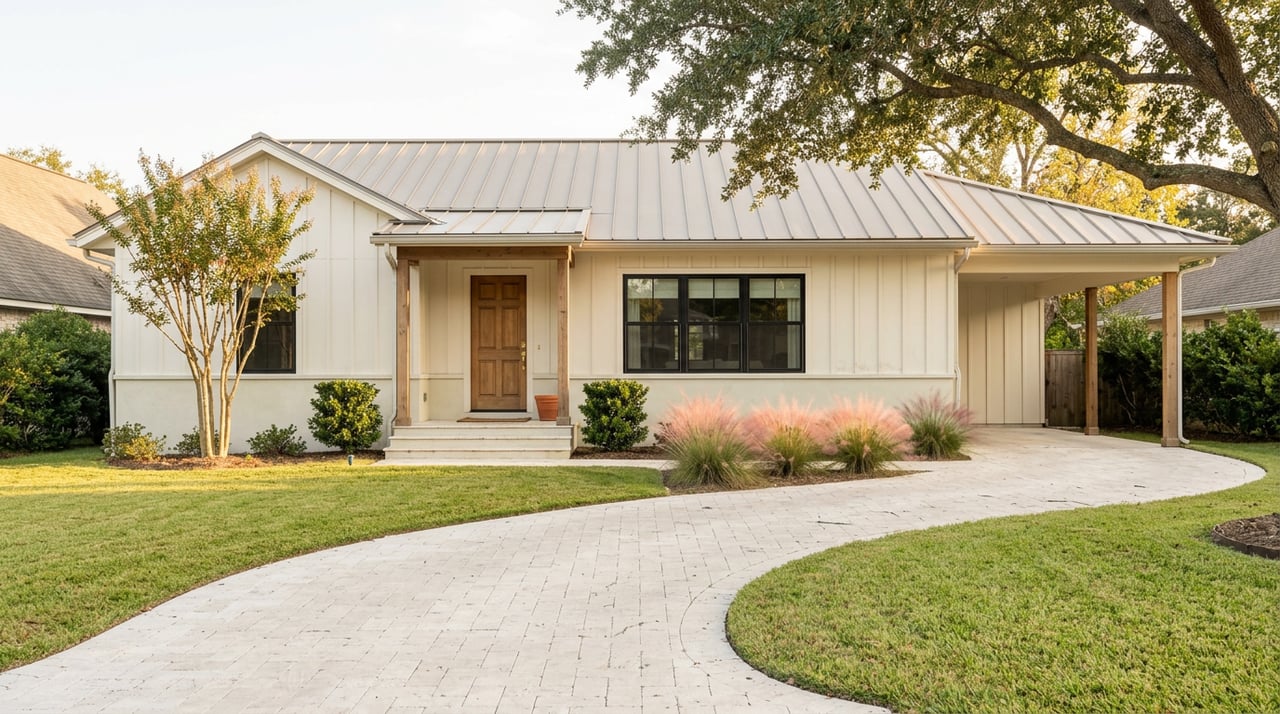
Suburban-style areas in Pensacola tend to support a more spread-out daily pattern. While the research does not assign exact lot sizes by neighborhood, the broader lifestyle descriptions point to more residential settings, corridor-based convenience, and a day built around driving between stops.
For many buyers, that translates to a calmer pace. You may find that the overall feel, maintenance needs, and home setup align better with a routine focused on home life, errands, and recreation close to residential areas.
Pensacola city and Escambia County housing data show that the choice is not as simple as assuming one side is always more affordable. Pensacola city has a median owner-occupied home value of $314,400 and median gross rent of $1,322, while Escambia County has a median owner-occupied home value of $257,200 and median gross rent of $1,321.
Those numbers suggest you should think beyond a simple downtown-versus-suburbs price label. Property type, maintenance, parking, location, and neighborhood feel may matter just as much as the list price.
If you want your daily routine to feel active, connected, and flexible, downtown may be the better match. It often fits buyers who enjoy walking to dinner, spending time near arts and civic events, and being close to waterfront recreation.
You may also appreciate downtown if you are comfortable with more managed parking and a bit less separation between home and activity. In exchange, you get easier access to the city’s most concentrated mix of culture and entertainment.
If your ideal day involves easier parking, one car trip for errands, and returning to a quieter residential street, suburban Pensacola may feel like home. Areas like Uptown, East Pensacola, and North Pensacola each offer a different version of that routine.
Some buyers prioritize shopping and airport convenience. Others want parks, bayou access, or a more nature-connected setting. The right fit depends on which daily loop feels easiest for you to maintain.
When buyers compare downtown Pensacola and the suburbs, the best question is usually not, “Which is better?” The better question is, “Which routine feels better for the life I actually live?”
Try to picture your average Tuesday, not just your ideal Saturday. Think about how often you want to drive, how important parking convenience is, whether you want activity outside your door, and what kind of home setup supports your day-to-day life.
A local guide can help you connect those lifestyle priorities to actual neighborhoods, property types, and available homes. If you want help narrowing down what fits your routine best in Pensacola, [The Sunchase Team] can help you compare options with a local, personalized approach.
Stay up to date on the latest real estate trends.
The Sunchase Team are dedicated to helping you find your dream home and assisting with any selling needs you may have. Contact us today to start your home searching journey!
220 W Garden St Ste 200 Pensacola FL 32502