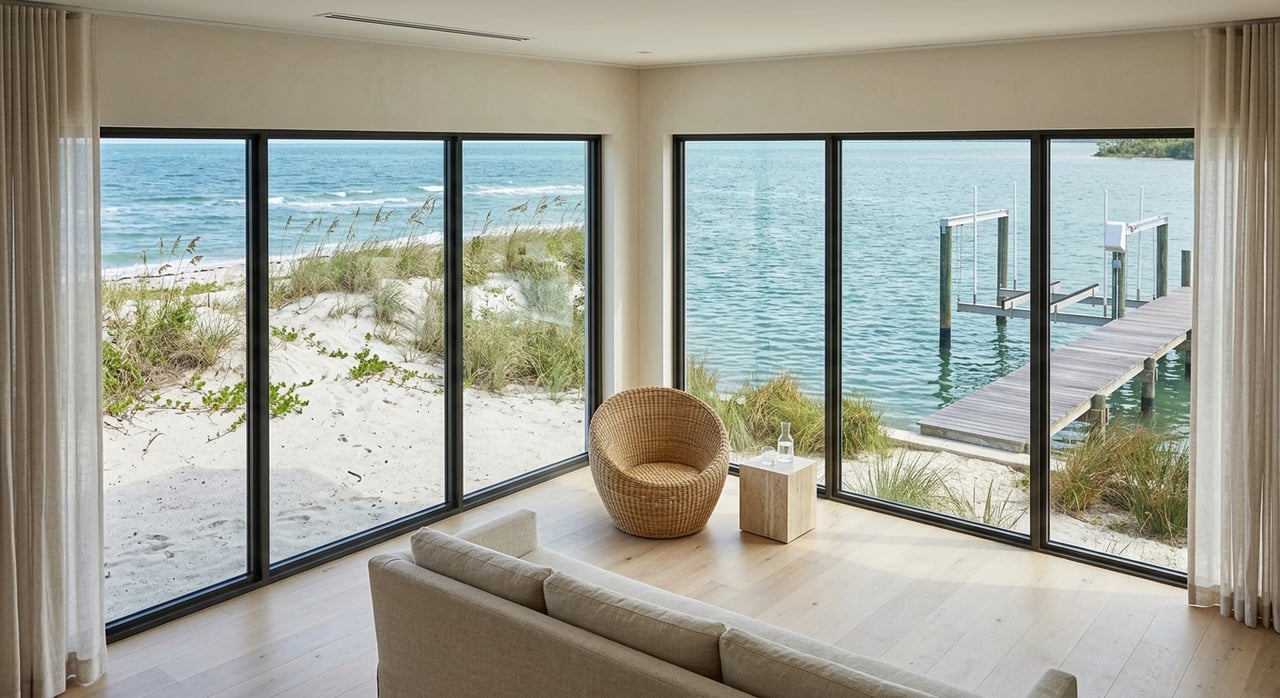
Gulf Front or Sound Side in Pensacola Beach?
June 18, 2026
June 18, 2026
Trying to choose between Gulf-front and sound-side living on Pensacola Beach? It is a great problem to have, but it can still feel surprisingly hard. Both options put you on one of the Gulf Coast’s most recognizable barrier islands, yet the day-to-day experience can be very different. This guide breaks down the lifestyle, pricing, and practical tradeoffs so you can decide which side fits the way you actually want to live. Let’s dive in.
Pensacola Beach is a narrow barrier island in Escambia County, managed by the Santa Rosa Island Authority. According to Escambia County, the island is about eight miles long and only about a quarter mile at its widest point. That shape matters because you are rarely far from water, and in some locations you may even find condos or corner units with both Gulf and sound views.
The island also has a distinct ownership structure. Much of the land is publicly used or publicly serviced, while the rest is leased for residential and commercial use. From a buyer’s perspective, that makes local guidance especially valuable when you compare locations, property types, and the day-to-day feel of different stretches of the beach.
There is also a small convenience factor many buyers overlook. The Bob Sikes Bridge connection to Pensacola Beach currently has a $1 all-electronic toll. It is minor, but if you plan to commute, host guests, or use the home often, it becomes part of your routine.
If your dream is to step outside and head straight to the sand, Gulf-front is the clearest fit. This is the side most people picture when they imagine Pensacola Beach living: surf, wide water views, and direct access to the shoreline. For many buyers, that visual and lifestyle appeal is the whole point.
Casino Beach is the island’s main beach area, and the Gulf pier is one of the best-known spots for sunsets and Blue Angels viewing. It can also get busy during peak times, with parking filling quickly. That livelier atmosphere is part of the draw for some owners and a drawback for others.
Gulf-front homes tend to offer the strongest “toes in the sand” connection. You are choosing a home where the beach is not just nearby, but central to how you spend your time. Morning walks, open-water views, and the sound of the surf become part of daily life.
At the same time, Gulf-front living comes with more direct exposure to beach conditions. Escambia County notes that Pensacola Beach is vulnerable to erosion, storm surge, flooding, and wind damage. On the Gulf side, those realities often feel less abstract because you are facing the open beach environment every day.
On Pensacola Beach, Gulf-front inventory often includes condos and townhomes with large balconies, beach-facing glass, elevator access, and direct dune-crossing access. You will also find larger island homes in higher price tiers. In other words, Gulf-front does not mean just one style of property.
Current and recent examples in the research show the range clearly. A Gulf-front townhome at 437 Fort Pickens Road is listed at $1.4 million, while another listing at 850 Fort Pickens Road #730 is $800,000. The takeaway is simple: Gulf frontage usually commands a premium, but the exact price depends on size, condition, and property type.
Beachfront living also brings a few practical rules. Escambia County prohibits glass and open flames on the beach, requires daily removal of beach gear, and uses beach safety flags and lifeguards to manage changing surf conditions. If you picture setting up on the sand whenever you want, it helps to understand these rules before you buy.
Lighting matters too. The county’s barrier-island lighting ordinance requires wildlife-friendly lighting where light is visible from the marine beach, and existing properties have until January 1, 2028 to comply. If you are comparing older Gulf-front homes, this is one more item to ask about.
If Gulf-front feels energetic and beach-centered, sound-side living often feels calmer and more flexible. This side of the island faces Santa Rosa Sound, where protected water and sunset views shape a different kind of coastal lifestyle. For many buyers, it is less about surf and more about easy access to boating, paddle sports, and a quieter rhythm.
Quietwater Beach is one of the best-known sound-side spots. It is described as a protected waterway off the boardwalk with gentler waves, nearby shops and eateries, watersports operators, and sunset views. That gives you a good picture of the sound-side vibe overall: relaxed, convenient, and centered on calm-water recreation.
The biggest difference is the water itself. On the sound side, you are usually choosing calmer conditions over crashing surf. If you want kayaking, paddleboarding, dock access, or easier boating utility, sound-side properties often make more sense.
This side can also feel slower in a good way. Instead of a classic beachfront scene, you may find a more tucked-away setting with strong sunset orientation and easier access to low-wake water. For some buyers, that is a better long-term fit than the more public-facing energy of the Gulf side.
Sound-side inventory often leans toward condos and townhomes. Recent examples in the research include a condo at Santa Rosa Dunes that sold for $455,000 in March 2026 and a sound-view condo at Sunchase that sold for $330,000 in June 2025. That creates a lower entry point than many direct Gulf-front options.
That said, premium sound-front property can still be expensive. A sound-front townhome on Bulevar Menor sold for $900,000 in March 2026 and included a 50-foot private dock. When you add direct frontage, dockage, or especially strong views, sound-side pricing can climb quickly.
For buyers who plan to keep a boat, launch paddleboards often, or fish from home, the sound side is often the most practical match. Recent listings highlight private docks, fishing piers, kayak access, paddleboard access, and low-wake water. Those are not small extras. They can shape how often you actually use the property and how well it supports your lifestyle.
If you are torn, it helps to focus on how you want your home to function most days, not just how it looks in photos. Pensacola Beach is narrow enough that some homes still capture views from multiple directions. But the side you face most directly will still shape your experience.
| Feature | Gulf-front | Sound-side |
|---|---|---|
| Water experience | Direct surf and sand | Calmer protected water |
| Daily vibe | More beach-centered and often busier | More relaxed and quieter |
| Recreation | Beach walks, surf views, pier area access | Boating, paddle sports, fishing, sunsets |
| Common property types | Condos, townhomes, larger luxury homes | Condos, townhomes, dock-oriented waterfront homes |
| Typical price pattern | Clear frontage premium | Wider range, often lower entry point |
| Exposure to conditions | More direct Gulf exposure | Still coastal, but different orientation |
As of March 2026, Realtor.com reports a median listing price of $850,000 in Pensacola Beach, with homes spending a median of 70 days on market and selling for about 2.4 percent below asking on average. The same report labels the area a buyer’s market. That gives you a helpful backdrop no matter which side of the island you prefer.
Within that broader market, Gulf-front usually carries the stronger visual premium. Buyers are often willing to pay more for direct beach access and open Gulf views. Sound-side homes can offer more varied price points, especially in condo communities, though premium waterfront with dockage can still command a high number.
If budget is part of the decision, this does not automatically make sound-side the better choice. It simply means you may have more options at different entry points. The better question is whether you want to spend more for direct Gulf frontage or direct your budget toward features like dock access, square footage, or a specific community feel.
No matter which side you choose, Pensacola Beach is still a barrier island. Escambia County specifically identifies the area as vulnerable to storm surge, flooding, wind damage, and beach erosion. That means coastal ownership here usually requires a more careful look at insurance, storm protection, and ongoing maintenance.
This is one of the most important parts of the decision. A Gulf-front balcony may win your heart, while a sound-front dock may fit your hobbies better, but both should be weighed alongside practical ownership costs. The right home is not just the one with the best view. It is the one that fits your budget, risk comfort, and plans for using the property.
If you want the iconic Pensacola Beach experience, Gulf-front is usually the answer. It is best for buyers who value direct beach access, big surf-side views, and the energy that comes with being on the Gulf. You are paying for location, scenery, and a very specific coastal lifestyle.
If you want calmer water, easier boating access, and a quieter everyday setting, sound-side may be a better fit. It often works well for buyers who care as much about using the water as looking at it. You may also find more flexibility in pricing and property style.
The best choice usually comes down to one simple question: when you picture yourself here most often, are you walking straight onto the beach or heading out toward the sound with a paddleboard, fishing rod, or boat key in hand?
If you are weighing both sides of Pensacola Beach, local guidance can make the decision much easier. The right home is not just about the shoreline. It is about matching your budget, goals, and day-to-day lifestyle with the part of the island that feels right for you. If you want a boutique, informed perspective on Pensacola Beach homes, connect with The Sunchase Team.
Stay up to date on the latest real estate trends.
The Sunchase Team are dedicated to helping you find your dream home and assisting with any selling needs you may have. Contact us today to start your home searching journey!
220 W Garden St Ste 200 Pensacola FL 32502