Milton–Pace New Construction vs Resale: How to Choose
January 15, 2026
January 15, 2026
Trying to choose between a brand-new build and a resale home in Milton–Pace? You’re not alone. Many buyers here are weighing builder incentives, modern features, and community amenities against the value and immediate availability of established homes. In this guide, you’ll learn how new construction and resale stack up on price, timeline, inspections, warranties, insurance, and lifestyle so you can make a confident move. Let’s dive in.
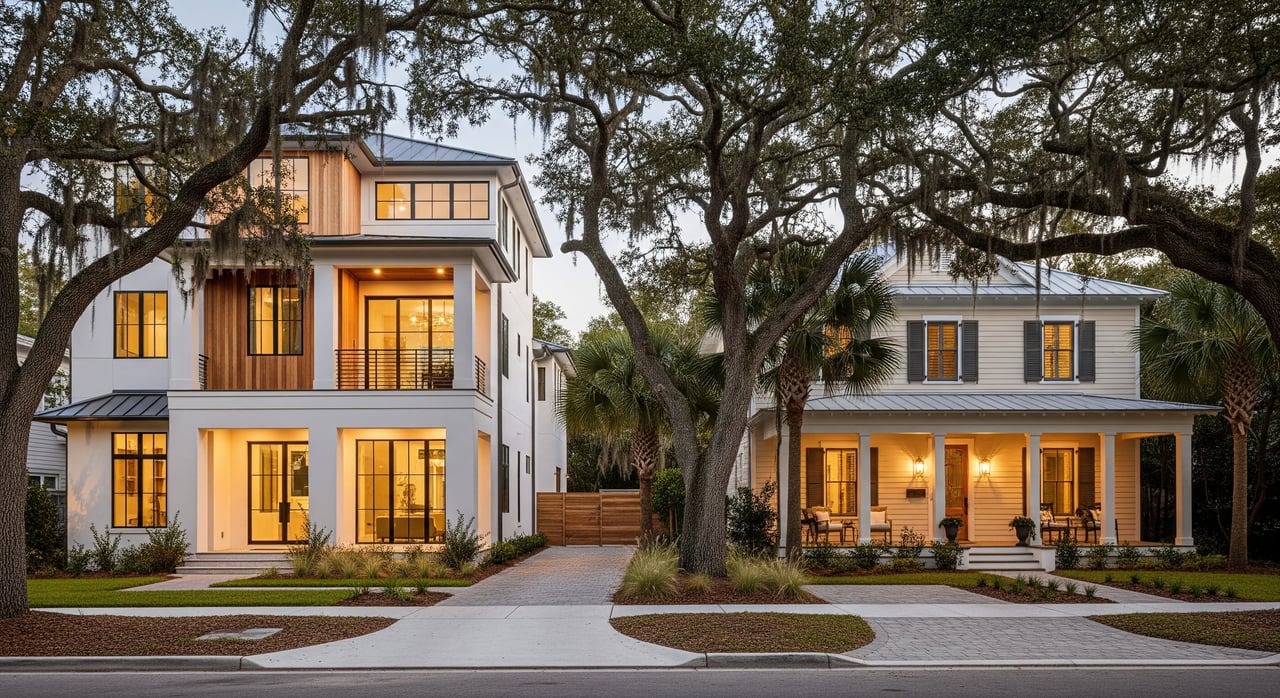
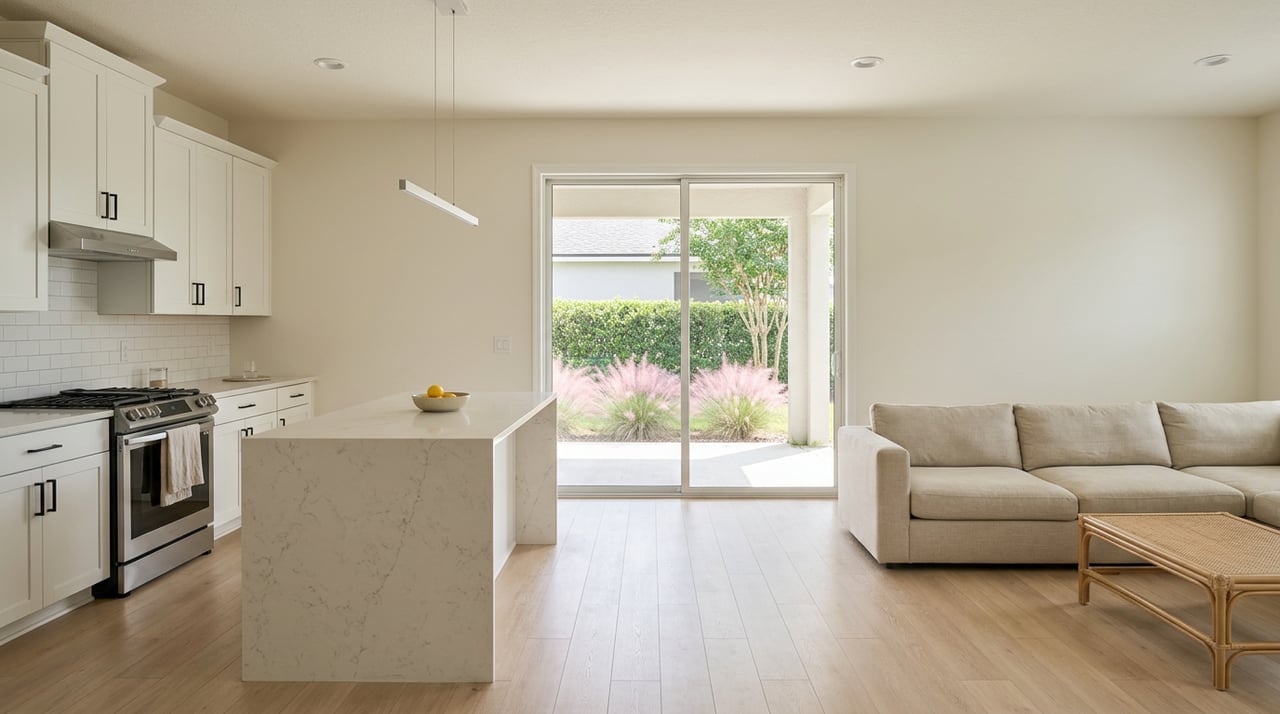
New homes offer modern layouts, fresh systems, and current Florida Building Code standards that can reduce certain risks and maintenance early on. New construction often includes energy-efficient features that may help lower utility costs compared to older homes. You’ll also find structured builder warranties that spell out coverage for workmanship, systems, and major structural components. In Milton–Pace, many new communities add amenities like playgrounds and pools, but plan for active HOA rules and potential construction activity as future phases are built.
If timing is a factor, ask about inventory or spec homes. These can be ready within weeks once the builder completes the punch list and obtains a Certificate of Occupancy. Semi-custom or production builds take longer, often several months to a year depending on permitting, weather, and materials.
Resale homes can offer immediate occupancy and established neighborhoods with mature trees and known traffic patterns. List prices can be more negotiable, and you may capture value if you’re willing to handle light updates or repairs. Many resales come with practical extras like fencing, landscaping, or storage already in place.
The tradeoff is condition. Older systems and finishes may need attention sooner, and you’ll want thorough inspections to budget for near-term repairs. You also have more flexibility to negotiate credits or price reductions during the inspection phase.
New construction pricing usually starts with a base price, then adds options, upgrades, and any lot premiums. Builders might also offer closing-cost assistance or rate buydowns instead of reducing the base price. Resale pricing is a single list number and reflects condition, age, and recent renovations.
For a fair comparison, build an “all-in” worksheet. Compare resale purchase price plus immediate repair or renovation estimates to a new build’s base price plus chosen upgrades, lot premium, landscaping, and likely closing costs. Ask your agent to pull recent 6 to 12 month comps across both new-build and resale homes in Milton–Pace so you’re comparing like for like.
If you need to move quickly for a job start or PCS to NAS Whiting Field, focus on inventory new homes or resales. Spec homes can close in a matter of weeks once final inspections are complete. Standard resale closings commonly take 30 to 60 days depending on financing, appraisal, and inspection timelines.
Custom or semi-custom new builds require more patience. Build windows can range from a few months to a year or more depending on permitting, labor, weather, and supply chains. In phased communities, amenities and nearby road work may still be underway, which could extend construction activity in the area after you move in.
Builders typically provide layered warranties. You’ll often see a workmanship warranty around one year, coverage for systems like HVAC, plumbing, and electrical for one to two years, and a structural warranty that can extend up to ten years for major structural defects. Coverage varies, so review the exact terms, who administers claims, and what is excluded.
Resale buyers rely on Florida’s seller disclosure requirements and your contract’s inspection contingencies. Title insurance protects against ownership claims. You can often negotiate repairs or credits based on inspection findings, while builder contracts usually favor incentives over price reductions.
Municipal inspections happen during a new build, but they are not a substitute for an independent home inspection. Schedule a third-party inspection near final completion and before closing, and document all punch list items in writing. Consider specialized inspections if you have concerns about roof, HVAC, or moisture.
For resales, plan a general home inspection plus termite or wood-destroying organism inspection, which is common in Florida. Depending on the property, a roof evaluation, HVAC assessment, septic inspection, pool inspection, and mold or radon testing may be sensible. For any home in Milton–Pace, review flood risk and drainage and check FEMA flood maps for the specific lot.
Resales often give you more leverage on price and repair credits, especially if days on market are higher. You can also negotiate seller-paid closing costs or flexible closing terms, and contingent offers may be considered in softer conditions.
Builders typically focus on incentives rather than changing the base price. Ask about closing-cost help, appliance packages, design upgrades, rate buydowns, or lot credits, especially at the end of a month or quarter when inventory pushes can be common. Conventional, FHA, and VA financing can work for both property types, though requirements differ. If you’re building from scratch, construction-to-permanent loans are more complex and can take longer to arrange.
New homes built to the current Florida Building Code often include wind-mitigation features that may qualify for insurance discounts. Insurance costs still depend on factors like flood zone and roof type, so obtain quotes early for both new and resale options. In any area near waterways, verify flood zone status and whether flood insurance is required by a lender.
Property taxes on new construction are assessed based on current improvements and market value, while existing homes may have different assessed values and exemptions. If you plan to live in the home as a primary residence, confirm eligibility for homestead and how that affects future assessments. New builds follow the latest code updates, while resales may be grandfathered under older codes, so check for permitted renovations.
New communities often feature amenities such as pools and playgrounds, along with consistent streetscapes and yard finishes. Expect HOA covenants that guide exterior changes and usage. Be mindful of future phases that can add construction noise and increase traffic as the community grows.
Resale neighborhoods may have larger lots, mature trees, and fewer HOA rules or lower fees. You get a clearer picture of daily traffic and local patterns from day one. For school planning, confirm the specific school assignment for any address within Santa Rosa County School District.
Use this side-by-side plan to compare your top options in one focused session.
Stop 1: New-build community model and a finished spec home
Stop 2: Resale home number one
Stop 3: Resale home number two
Post-tour debrief
Use this as your go-to list before you write an offer.
Inspections to order
Documents to request
Negotiation levers
If you want the lowest maintenance in the near term and prefer modern layouts with community amenities, new construction can be a strong fit. Inventory homes help you move faster while still getting builder warranties. If you value immediate occupancy, established lots, and more room to negotiate price or credits, a resale may deliver the best overall value.
The smartest path is to compare total cost, timing, and lifestyle. Build an apples-to-apples worksheet, schedule thorough inspections, verify insurance quotes, and review HOA and warranty documents before you commit. When you’re ready to tour and compare side by side, we’re here to guide the process with clarity.
Ready to weigh your options with a local, boutique touch? Reach out to The Sunchase Team for a personalized tour plan, current comps across Milton–Pace, and a smooth, relocation-friendly experience. Guiding You Home.
Stay up to date on the latest real estate trends.
The Sunchase Team are dedicated to helping you find your dream home and assisting with any selling needs you may have. Contact us today to start your home searching journey!
220 W Garden St Ste 200 Pensacola FL 32502