Trying to decide whether your true monthly cost will be lower in Pensacola or Gulf Breeze? You are not alone. Purchase price tells only part of the story along the Gulf Coast. Insurance, HOA or condo dues, utilities, property taxes, and even the Pensacola Bay Bridge can shift your budget more than you expect. In this guide, you will learn how these factors work here and how to build a clear, line-by-line estimate before you choose a side of the bay. Let’s dive in.
Pensacola vs. Gulf Breeze: what changes your cost
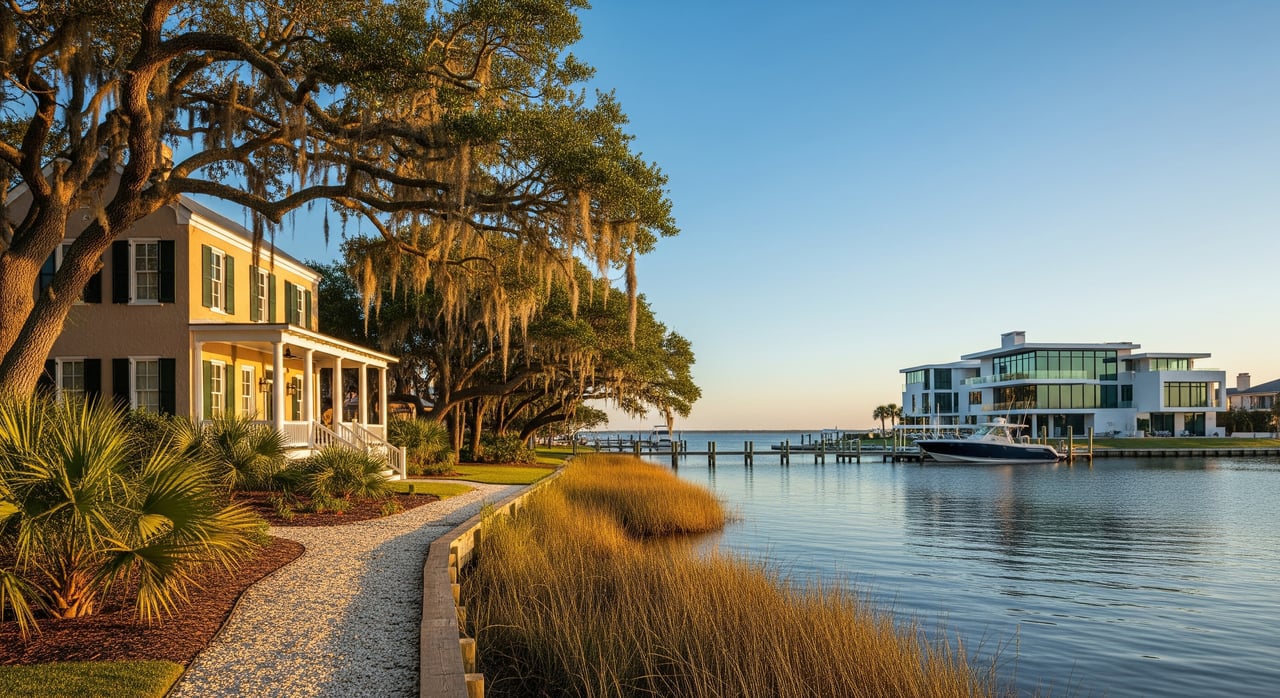
Pensacola and Gulf Breeze offer two versions of Gulf Coast living, and both can be smart choices depending on your priorities. Pensacola has a wider mix of neighborhoods and more inland options that tend to reduce flood exposure. Gulf Breeze is smaller and closer to the bay and Gulf, with more near-water and waterfront communities and a larger share of condominiums.
Those differences show up in your recurring costs:
- Purchase price and property taxes scale together.
- Insurance can be higher for near-water properties and condos with coastal exposure.
- HOA or condo dues vary a lot by property type and amenities.
- Utilities and maintenance depend on size, efficiency, and whether dues cover any services.
- Commute costs and time can shift if you rely on the Pensacola Bay Bridge.
Purchase price and property taxes
Your purchase price drives both insurance replacement estimates and your annual property tax bill. In Florida, property taxes equal the taxable value multiplied by the combined millage rate for your area.
How taxes are calculated
- Each county sets rates through separate taxing authorities. Pensacola properties are assessed by the Escambia County Property Appraiser. Gulf Breeze properties are assessed by the Santa Rosa County Property Appraiser.
- Homestead exemptions and Save Our Homes rules can reduce and limit assessment growth for a primary residence. Review the Florida Department of Revenue’s property tax benefits to see what may apply.
- Your estimate: taxable value × combined millage, then divide by 12 for a monthly figure. If you do not have a current tax bill, use the purchase price as a placeholder for assessed value and adjust once the county provides the official number.
What to do next
- Pull the current millage rates from the county appraiser for your target address.
- Ask whether you plan to file for homestead in year one. That decision changes your taxable value.
- Compare two sample properties side by side to see how purchase price alone shifts your monthly tax line.
Insurance and coastal risk
Along the Gulf Coast, insurance is more layered than many buyers expect. Budget for three parts and confirm each one with quotes.
Homeowners vs. flood coverage
- Standard homeowners insurance covers the structure, some personal property, and liability. Wind and hurricane coverage may be a separate component or endorsement, and carriers often apply hurricane deductibles that are a percentage of your dwelling coverage.
- Flood insurance is separate and is typically required by lenders if the home is in a Special Flood Hazard Area. You can check flood zone maps through the FEMA Flood Map Service Center.
- Premiums depend on distance to water, elevation, construction, roof age, wind mitigation features, and claims history. County-level patterns and market updates are available from the Florida Office of Insurance Regulation, and you can review insurer-of-last-resort options through Citizens Property Insurance Corporation.
Hurricane deductibles and out-of-pocket risk
- Hurricane deductibles are commonly expressed as a percentage of dwelling coverage. That means your out-of-pocket after a named storm can be significant if coverage is triggered.
- A wind mitigation inspection can help you understand roof age, clips, and other features that may lower premiums. Ask for this early if you are comparing a Pensacola inland home to a Gulf Breeze near-water home.
HOA and condo dues
Monthly fees vary widely by property type and amenities.
Single-family vs. condo
- Single-family subdivisions often have HOAs with more modest dues that fund common-area upkeep. They rarely include broad insurance coverage for your home.
- Condominiums and coastal multi-family buildings typically have higher dues because they fund exterior maintenance, master hazard or wind policies for common elements, reserves, and amenities. Some also include utilities like water, trash, or basic cable.
- Always review the association budget, reserve studies, insurance declarations, and meeting minutes. Low dues are not always a win if reserves are thin and special assessments are likely.
Utilities and maintenance
Utility costs depend on your home size, efficiency, and whether your HOA or condo dues include any services.
Typical utility line items
- Electricity is often the largest driver because of A/C use. For broad context on statewide electricity pricing trends, see the U.S. Energy Information Administration.
- Water, sewer, and trash are billed by local providers and can vary by jurisdiction and meter size. Some condos include part of this in dues.
- Internet and cable choices depend on local carriers and building infrastructure. Check coverage and speeds during your due diligence window.
For maintenance, budget a monthly reserve. Many homeowners set aside 1 percent to 3 percent of home value per year for single-family properties. Coastal conditions can shorten roof and exterior lifespans, so factor that into your plan. For condos, review reserve contributions to understand what your dues already cover.
Commute and transportation costs
Gulf Breeze’s daily life often runs through the Pensacola Bay Bridge. If you work or spend time in downtown Pensacola, plan for peak-hour variability.
- Consider direct costs: fuel, parking, and vehicle wear. A simple method is miles driven per month multiplied by the IRS mileage rate, plus parking.
- Consider indirect costs: time in traffic, schedule constraints, and whether your household needs a second car.
- For roadway and traffic context, review state transportation resources from the Florida Department of Transportation. Layer that with live-map travel times at your typical commute hours to test routes.
Build your true monthly cost
Here is a simple, repeatable way to compare an inland Pensacola home to a near-water Gulf Breeze home or condo.
Quick worksheet steps
Define two properties to compare:
- Pensacola example: inland single-family home.
- Gulf Breeze example: near-water single-family or a waterfront condo.
Gather the inputs:
- Purchase price, expected down payment, and loan terms.
- County millage rates and any homestead plans.
- Homeowners insurance quotes, plus a flood quote if applicable. Cross-check market context with the Florida Office of Insurance Regulation and Citizens options via Citizens Property Insurance Corporation.
- HOA or condo dues and what they include, especially master insurance and reserves.
- Monthly utilities: electricity, water, sewer, trash, and internet. Note which items are included in dues.
- Maintenance reserve: a monthly set-aside suitable for the property type and condition.
- Commute: miles per week and parking costs, plus timing across the Pensacola Bay Bridge.
Convert to monthly:
- Property tax: annual estimate divided by 12. For homestead and Save Our Homes details, use the Florida Department of Revenue’s property tax benefits.
- Insurance: annual premiums divided by 12 for homeowners and flood.
- Add dues, utilities, maintenance reserve, and commuting cost.
Compare side by side:
- Note the biggest drivers. For many buyers, the largest swings are insurance, dues, and commute time.
- Run a “high exposure” version that assumes higher insurance and a possible special assessment for older condos.
What can change your numbers
- Insurance premiums and availability change quickly in Florida. Always get property-specific quotes and confirm hurricane deductibles.
- Flood risk is address and elevation specific. Verify the flood zone and ask for an elevation certificate when needed through the FEMA Flood Map Service Center.
- HOA and condo dues can change, and special assessments can add material costs.
- Tax rates and exemptions update annually. Confirm details with county appraisers and the Florida Department of Revenue.
- Commute times vary with incidents and peak demand, especially across the Pensacola Bay Bridge. Check expected timing during your typical travel windows and review FDOT resources for context.
Final thoughts and next steps
Both Pensacola and Gulf Breeze can fit your budget and lifestyle. If you want a broader mix of inland options and more flexibility on insurance and flood exposure, Pensacola often gives you more to choose from. If you value near-water living and condo convenience, Gulf Breeze can be a great match, with the tradeoff that dues and coastal insurance may play a larger role.
If you would like a clear, property-specific breakdown, request a one-page True Cost Snapshot. We will map out your monthly budget before you write an offer and help you understand the tradeoffs.
What to share so we can build it for you:
- Neighborhoods or areas you are considering.
- Property type and price range.
- Commute destinations and days per week.
- Whether you plan to claim homestead.
- Loan type if known.
- Full-time or seasonal use.
Have questions or a shortlist of homes already in mind? Reach out to The Sunchase Team and we will build your personalized cost comparison. Guiding You Home.
FAQs
How do property taxes differ between Pensacola and Gulf Breeze?
- Each county calculates taxes using its own millage rates, exemptions, and assessments, so your taxable value and monthly amount will vary by address and homestead status.
Do I need flood insurance for a Gulf Breeze home near the bay?
- If the property is in a mapped Special Flood Hazard Area and you have a mortgage, lenders typically require flood insurance; verify the zone through FEMA’s Flood Map Service Center.
Are condo dues usually higher than single-family HOA fees?
- Yes, condo dues often run higher because they fund exterior maintenance, master insurance, reserves, and amenities, while single-family HOAs usually cover common areas only.
Will hurricane deductibles be higher in Gulf Breeze than Pensacola?
- Deductibles are percentage based and tied to your policy, not the city name, but near-water exposure and underwriting can influence premium levels and available terms.
How reliable is the Pensacola Bay Bridge for daily commuting?
- It is the primary connection between Gulf Breeze and Pensacola, so peak periods and incidents can add time; check typical travel times during your commute hours.
Do HOAs or condo associations cover flood or wind damage to my home?
- Condo master policies usually cover building elements and common areas, while unit interiors and contents are your responsibility; single-family HOAs rarely cover individual homes.