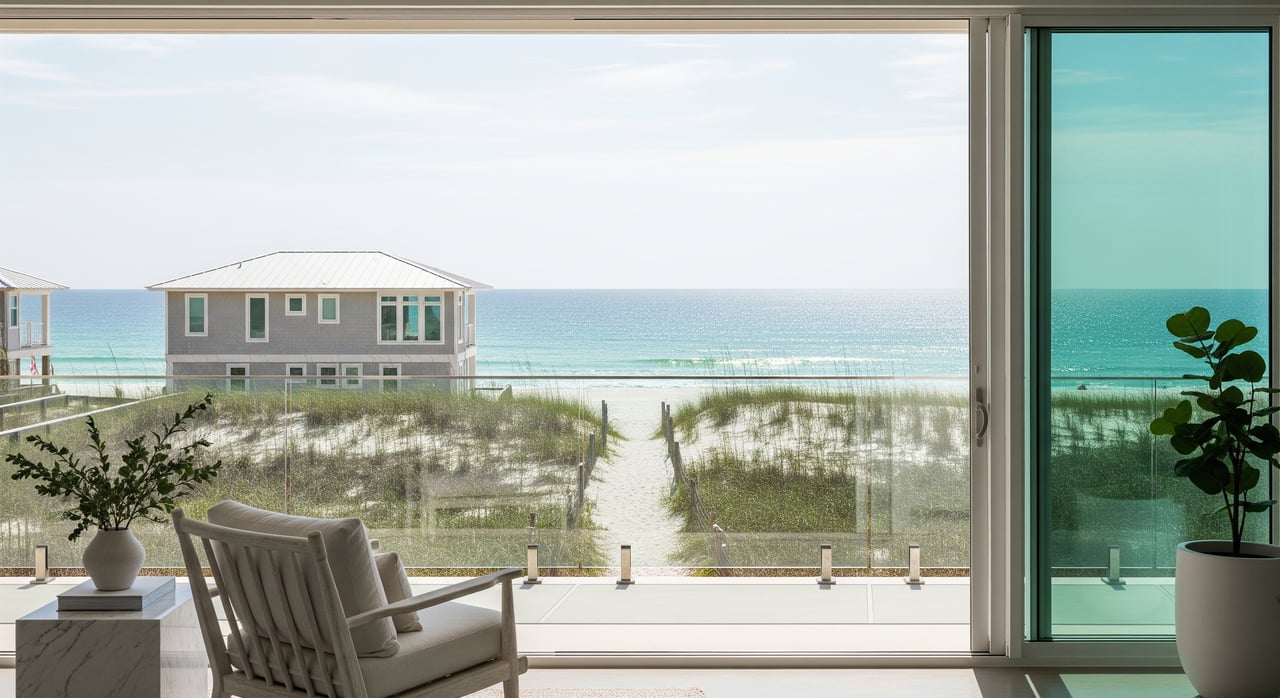
You can picture sunrise over the Gulf, but you are stuck on a big choice: condo or house on Pensacola Beach. The right fit depends on how you plan to live, what level of maintenance you want, and how you feel about insurance and rental rules on a barrier island. In this guide, you will learn the tradeoffs that matter most, from HOA fees and flood insurance to rental flexibility and everyday lifestyle. You will also get a clear checklist to use before you make an offer. Let’s dive in.
Pensacola Beach realities to know
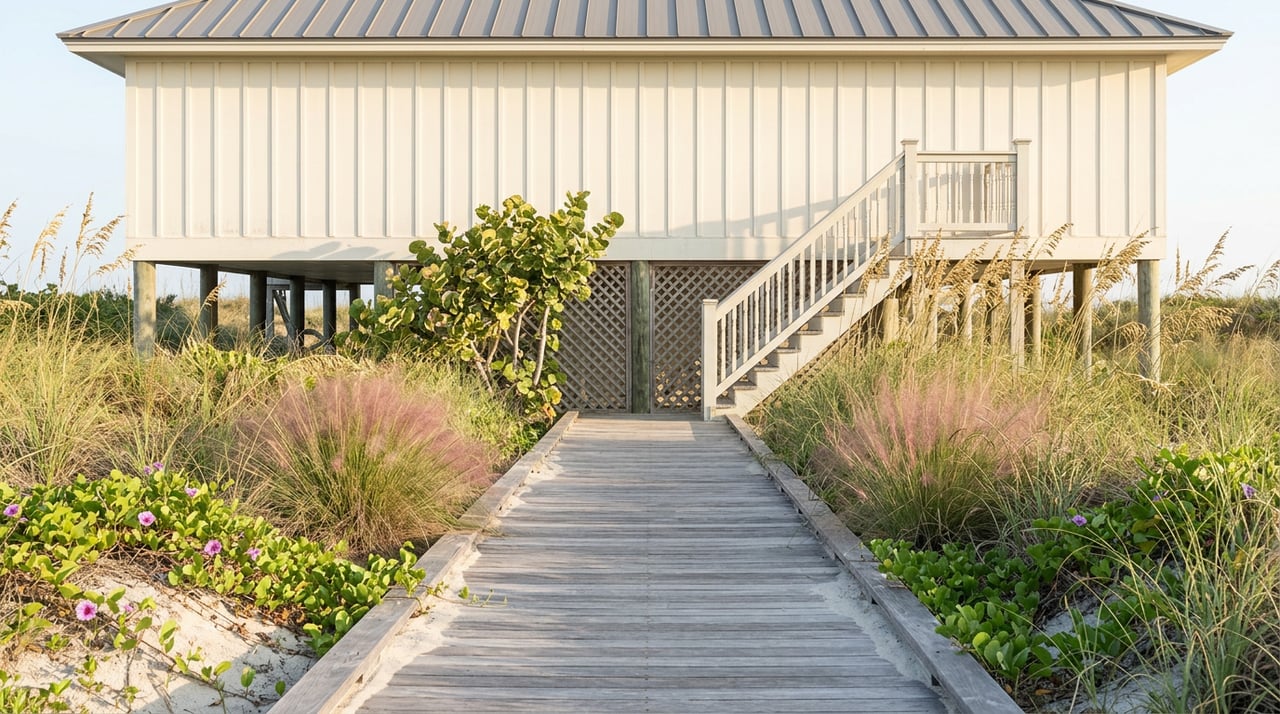
Pensacola Beach sits on Santa Rosa Island, a barrier island with salt air, shifting dunes, and coastal storms. The area sees an active June through November hurricane season with potential for high winds, storm surge, and flooding. Local beaches may undergo periodic nourishment and dune restoration through U.S. Army Corps of Engineers projects, which can offer protection and broader beach width over time. Seasonal tourism is strong, so expect busier roads, more noise, and higher rental demand in spring and summer.
Maintenance and control: condo vs. house
How a condo works
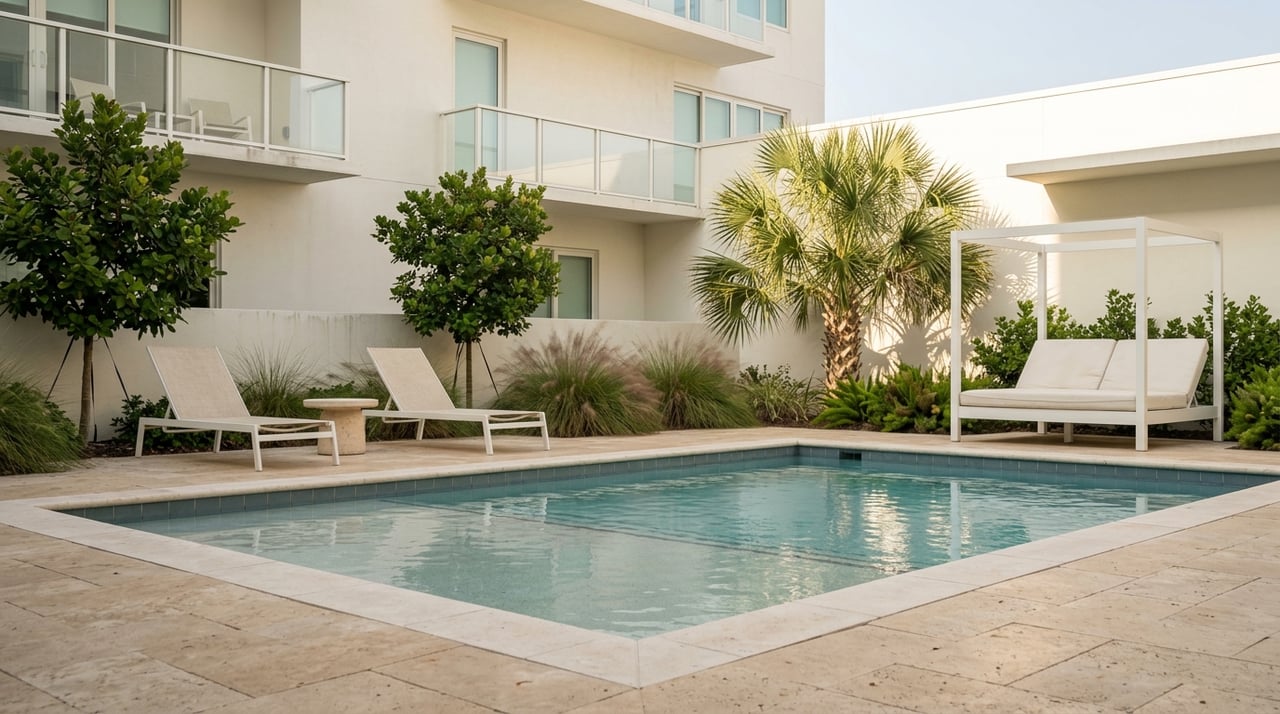
In a condominium, you typically handle interior finishes, appliances, and personal property. The association manages exterior structure, roofing, elevators, pools, common landscaping, and often major systems up to the unit boundary. You pay monthly or quarterly dues that cover routine exterior maintenance, reserves, and sometimes utilities and exterior insurance. This setup is ideal if you want a low‑maintenance, lock‑and‑leave lifestyle.
Key tradeoffs:
- Pros: Less day‑to‑day upkeep, shared costs for big-ticket items like roofs, and on‑site amenities.
- Cons: Ongoing HOA fees, possible special assessments if reserves are thin, and less control over exterior changes or repair timing.
How a single‑family house works
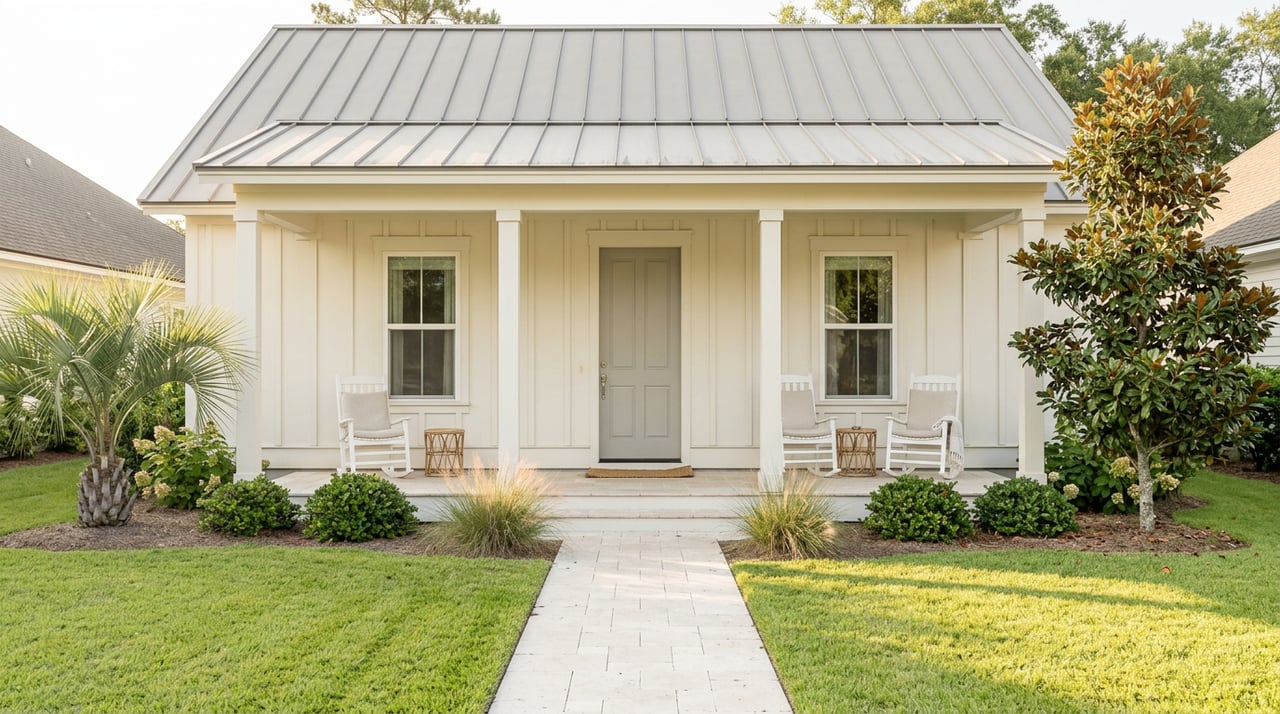
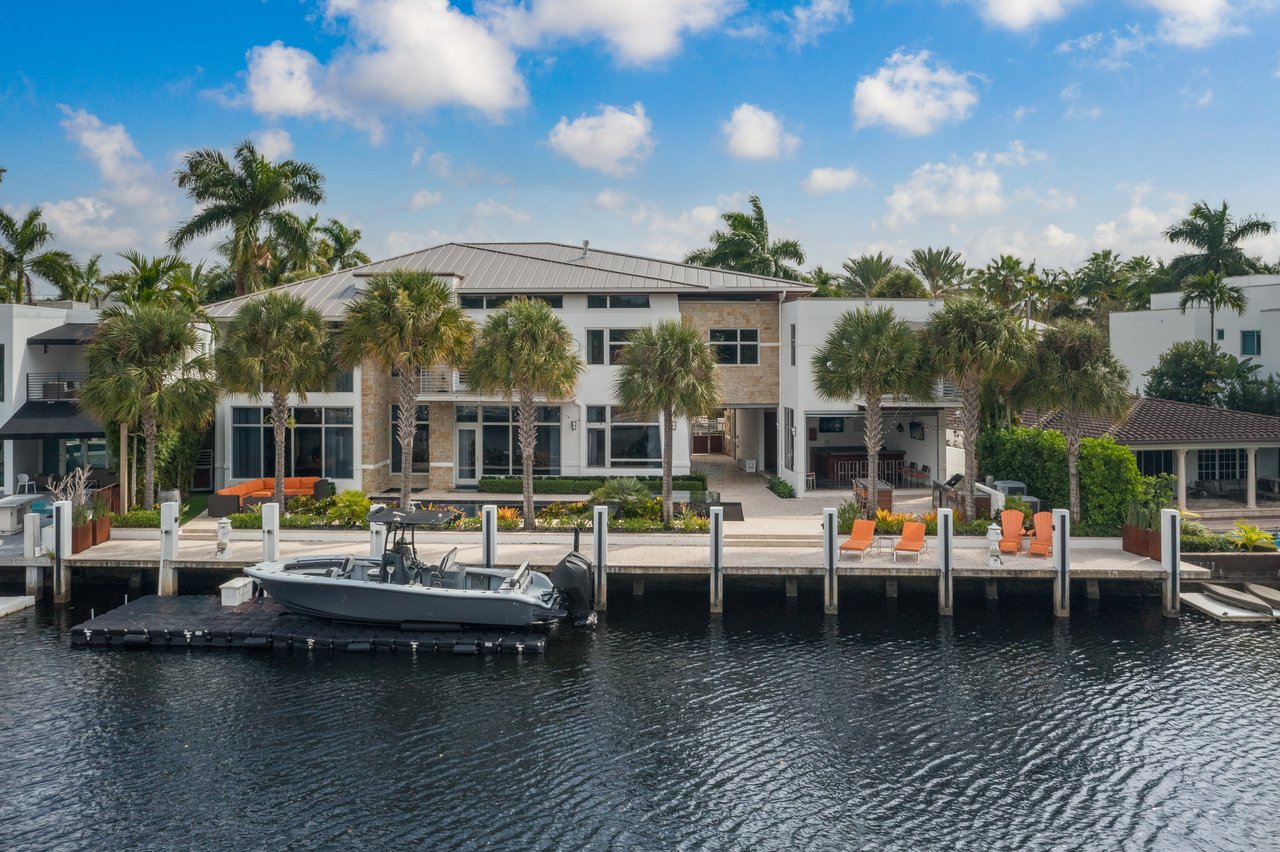
With a detached home, you control and maintain everything: structure, roof, HVAC, exterior finishes, landscaping, and private access features. Coastal exposure means salt‑air corrosion, faster wear on mechanicals, and more frequent inspections. You can customize storm‑hardening, landscaping, and storage to your needs, but you should budget for variable capital costs over time.
Key tradeoffs:
- Pros: Full control, privacy, space, and potential for private outdoor areas and parking.
- Cons: Higher maintenance burden, larger one‑off expenses, and more hands‑on ownership or the need for a property manager.
Insurance and coastal risk
Both condos and houses on Pensacola Beach sit in higher‑risk wind and flood zones. Expect higher premiums and separate deductibles for named storms.
- Condos: You buy an HO‑6 policy for the interior and contents. The association carries a master policy for the building and common areas. Confirm if the master policy is “all‑in” or “bare walls‑in,” and review storm deductibles and coverage limits before you buy.
- Houses: You buy a homeowner policy that covers the full structure, contents, and liability. Windstorm coverage and hurricane deductibles are common.
- Flood insurance: Lenders usually require flood insurance if the property is in a FEMA Special Flood Hazard Area. Check the specific zone using the FEMA Flood Map Service Center and review options under the National Flood Insurance Program.
- Market conditions: Florida’s insurance market is evolving, so consult the Florida Office of Insurance Regulation and a coastal‑savvy insurance agent to compare carriers, costs, and deductibles.
Financing and approvals
Financing a single‑family home is often simpler than a condo. Many lenders finance condos on Pensacola Beach, but the building must meet project‑level guidelines that can include owner‑occupancy ratios, delinquency limits, reserve reviews, and litigation checks. High investor concentrations or pending litigation can complicate or limit loan options. If you plan to use rental income for qualification, know that lenders often treat short‑term rental income differently than long‑term leases.
Lifestyle and amenities
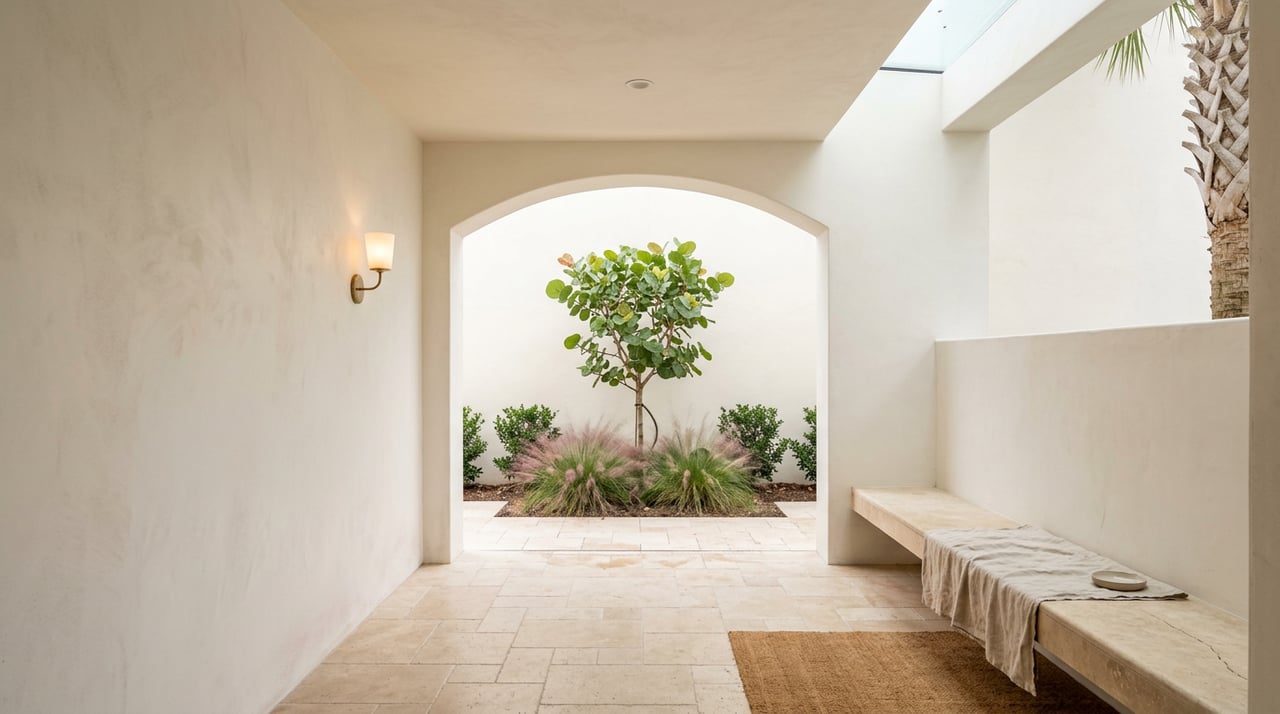
- Condos: You get shared amenities like pools, fitness rooms, elevators, and direct beach walkovers. The “lock‑and‑leave” factor can be a big win if you split time between homes. The tradeoff is less private outdoor space and proximity to neighbors and vacationers.
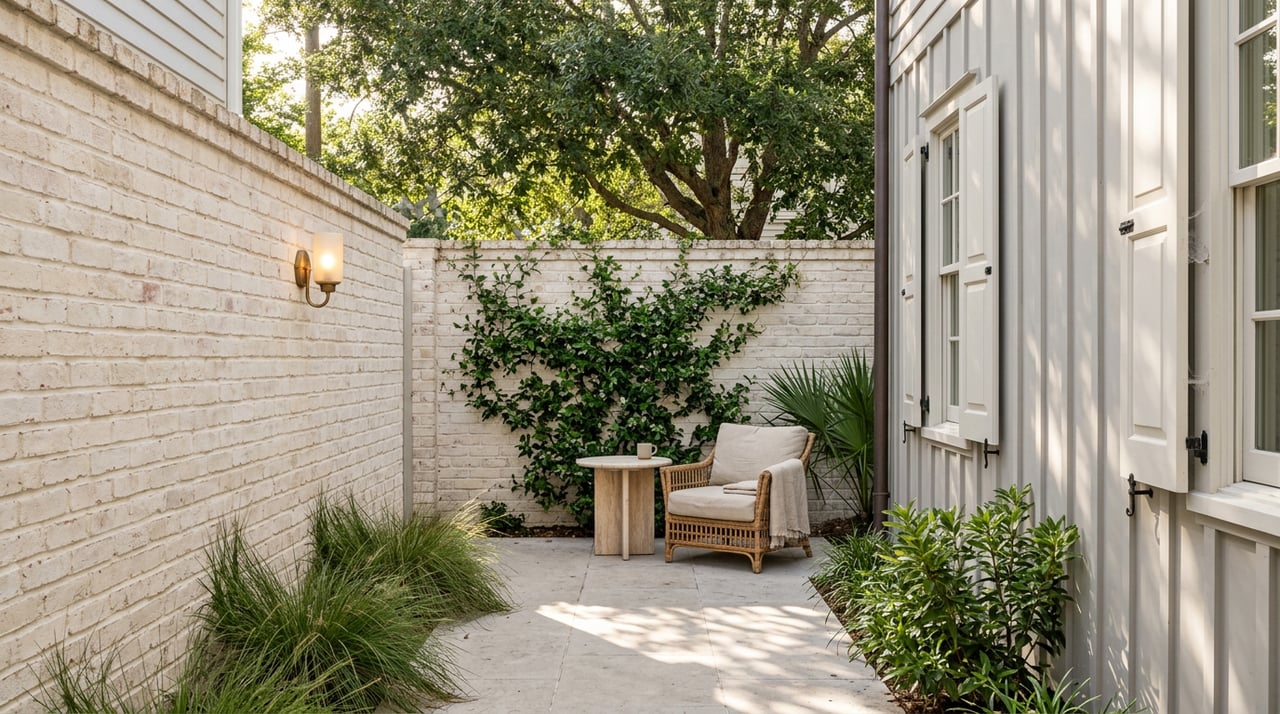
- Houses: You gain privacy, storage, and outdoor areas tailored to your lifestyle. You can stage beach gear, park multiple vehicles, and personalize your space. The tradeoff is more maintenance time or cost.
Rental flexibility and rules
Pensacola Beach sees strong seasonal demand for short‑term rentals, especially in spring and summer. That said, the rules differ by property type and community.
- Condos: Many associations limit or ban short‑term rentals. Always read the declarations and rental policy before you buy.
- Houses: Often more flexible, though you may still face local ordinances or HOA rules. Expect to collect and remit state and local taxes if you operate a vacation rental.
- Operations: Plan for management fees, cleanings, faster wear on finishes, and higher insurance needs for rentals. Demand can vary by year and season.
What fits your goals
- You want easy ownership, amenities, and a lock‑and‑leave setup: A condo may fit best, especially if you do not want to manage exterior upkeep.
- You want privacy, space, and full control over upgrades and use: A single‑family house may be the better choice, if you are comfortable with maintenance and capital costs.
- You want to maximize rental flexibility: A house often gives more options, but verify local and community rules first.
Your due‑diligence checklist
Before you write an offer, request and review these items. A thorough review up front reduces surprises and helps with insurance and lending.
For any property
- FEMA flood zone and Elevation Certificate, if available. Verify the flood zone through the FEMA Flood Map Service Center.
- Insurance walkthrough with a coastal agent. Ask about windstorm deductibles and flood premiums under the NFIP.
- Full inspection focused on salt corrosion, roof, HVAC, electrical, plumbing, and signs of water intrusion.
- Recent tax history and exemptions. Confirm details through the Escambia County Property Appraiser.
- History of storm damage claims.
Condo‑specific items
- Association declarations, bylaws, rules, and rental policy.
- Budgets for the last 2 to 3 years, reserve study, and any planned capital projects.
- Master insurance certificate with coverage details and named storm deductible.
- Board meeting minutes and any pending litigation or special assessments.
- Delinquency rates for dues and owner‑occupancy ratio.
Single‑family–specific items
- Seawall or dune conditions and any shared access agreements.
- Permits for prior structural work and elevation compliance.
- Any HOA covenants that affect exterior changes or rentals.
Legal framework to know
Florida has clear statutes that guide communities and owner obligations. Condominiums are governed by Florida Statutes Chapter 718. Homeowners’ associations for single‑family subdivisions follow Chapter 720. Review these along with your community documents to understand assessments, reserves, rental rules, and approval procedures.
Work with a local guide
Choosing between a condo and a house on Pensacola Beach is not only about price. It is about how you want to live, your tolerance for maintenance, and your comfort with coastal insurance. If you want a second set of eyes on HOA budgets, master insurance, flood zones, or rental rules, we can help you gather the right documents and connect you with coastal‑savvy lenders and insurers. When you are ready, reach out to The Sunchase Team to compare real options and make a confident plan.
FAQs
What does a condo HOA cover after a storm?
- Most master policies cover the building shell and common areas. You still need an HO‑6 for interior improvements, contents, and liability, and you should confirm the association’s named storm deductible.
Do I need flood insurance on Pensacola Beach?
- If a lender sees your property in a FEMA Special Flood Hazard Area, they will usually require a flood policy. You can verify zones on FEMA’s map site and compare coverage through the NFIP or private carriers.
Are condos harder to finance than houses?
- Often yes. Lenders review the building’s owner‑occupancy, reserves, delinquencies, and litigation. Single‑family homes are usually more straightforward to underwrite.
Which is more turnkey for a second home?
- A condo is usually more turnkey. Exterior upkeep and amenities are handled by the association, so you can lock and leave with less on‑site maintenance.
Can I do short‑term rentals in any condo or house?
- Not always. Many condo communities restrict short‑term stays. Houses can be more flexible, but local ordinances and HOA rules may still apply. Always review current documents and local requirements before you buy.