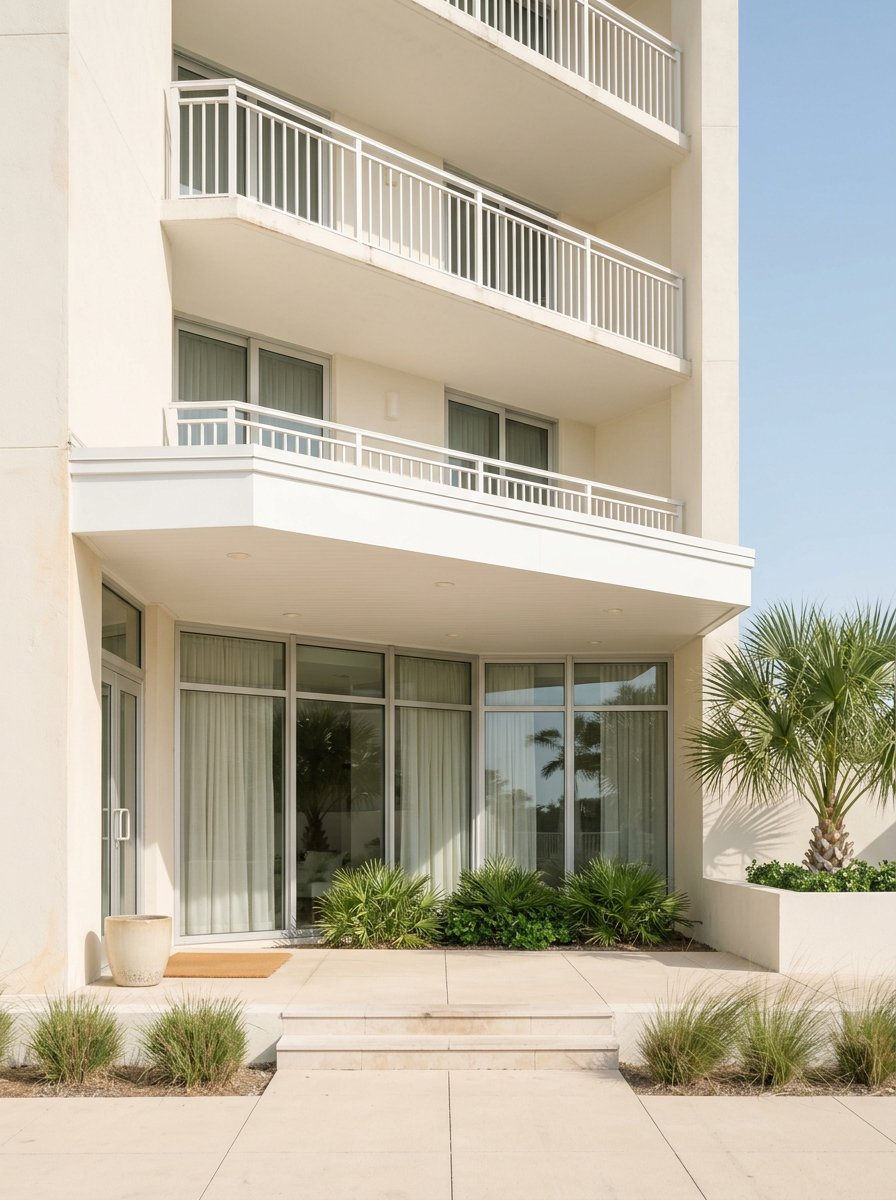
Comparing Perdido Key Condo Communities Before You Buy
March 24, 2026
March 24, 2026
You can fall in love with a view in a single scroll, but the right Perdido Key condo choice takes more than pretty photos. Between coastal building rules, insurance costs, beach access details, and HOA finances, small differences between communities can change your budget and peace of mind. In this guide, you’ll learn how to compare condo buildings side by side, what to verify from a distance, how to read listing photos, and a simple scoring rubric to narrow your list with confidence. Let’s dive in.
Florida now requires “milestone” inspections for residential buildings 3 or more stories at 30 years of age and every 10 years after. Local authorities can require them as early as 25 years due to saltwater exposure. These inspections and the related Structural Integrity Reserve Studies are central to your decision on any older Perdido Key tower. Review the statute language and treat inspection summaries as a must-have for buildings at or over the 25 to 30-year mark. See the Florida statute overview.
Perdido Key sits within FEMA coastal flood zones, including VE and AE designations. Your lender and your insurance costs depend on where a building falls on the Flood Insurance Rate Maps and its Base Flood Elevation. Pull the county FIRM panel for the property and note the zone. Start with Escambia County’s FIRM panel. For broader context, Escambia’s assets face sea level and tidal risks that can evolve over time. Review the county’s coastal vulnerability work and NOAA’s local sea level trend data for perspective. Check Florida DEP’s Escambia assessment and NOAA’s Pensacola tide gauge trend.
Gulf-front living is about the beach, so confirm how you access it. Florida’s 2025 legislative update gave local governments more authority to recognize customary beach use, which interacts with private deeds and easements. That can affect your practical access. Read the Governor’s announcement on beach access recognition. Escambia County has active local debate over beach easements on Perdido Key, so verify whether your building’s access is deeded, via a recognized easement, or subject to customary-use interpretations. See local coverage of the Perdido Key beach access discussion.
Florida’s property insurance market has seen volatility, with recent signs of stabilization and insurer re-entry. Coastal buildings still carry higher premiums and wind deductibles, and Citizens may be the last-resort option in some cases. Build quotes into your early research to avoid surprises. Review the state insurance market update from Florida OIR.
Start with the year built, number of stories, and structure type. Concrete high-rises weather salt, wind, and moisture differently than low-rise buildings. Older towers may face concrete, balcony, garage deck, or elevator projects that impact budgets and assessments. Pull the year built and parcel details from county records to orient your review. Use Escambia County’s Property Appraiser GIS. Pair that with the milestone inspection rules so you know when to request reports and summaries. Review Florida’s milestone inspection framework.
Amenities shape your day-to-day and your rental potential. Look for deeded beach access, private beach clubs, boardwalks, covered parking, storage lockers, marinas, and on-site services. Confirm how access is provided and maintained, including signage and walkovers shown in photos. For instance, some communities promote a private beach club experience, which can be convenient but may come with higher HOA fees. See a local example of amenity marketing. If a building advertises “private beach,” still verify deeds, easements, and any county actions that may affect use.
Request the association budget, most recent financials, reserve study, and Structural Integrity Reserve Study. Ask for insurance declarations, recent board minutes, and any announced special assessments. Strong reserves and transparent minutes are good signs. Low reserves paired with upcoming work usually signal near-term assessments. Florida’s disclosure and document delivery requirements have been updated, so expect to receive inspection summaries and SIRS where applicable. See the recent condo disclosure bill text.
Coastal conditions accelerate wear. Photos and tours often telegraph what inspectors will find. Watch for rust-stained balcony edges, patched concrete, mismatched paint on slab bottoms, cracked pool decks, and heavy patching in parking or garage areas. These point to rebar corrosion and concrete spalling that may require costly remediation. If you see them, plan for on-site engineering review. Here’s a practical guide to balcony life cycles and deterioration.
Confirm the building’s flood zone, note if it lies in a VE coastal velocity zone, and ask the association about claims history and master policy deductibles. Lenders require flood insurance where applicable. VE zones can mean higher premiums and stricter standards. Start with the county FIRM panel and discuss early with a local insurance professional. Reference the Escambia FIRM panel.
If income potential matters, check minimum lease terms, short-term rental rules, and any rental caps. Understand whether the association collects transient rental taxes and how amendments apply to existing owners. The right rules can align with your goals and protect long-term value. Review a Florida attorney’s overview of condo rental restrictions.
If milestone summaries call for phase 2 testing, or photos show rust stains, patched slabs, or temporary shoring, hire a coastal structural engineer with Florida condo experience for a directed on-site inspection. This engineering primer explains why balconies and decks matter.
Use this quick rubric to narrow a long list to your top 2 or 3:
Critical negatives to flag
Positive filters to prioritize
Start each Perdido Key condo review with three quick pulls: the property appraiser record for year built and parcel context, the county FIRM panel for flood and elevation clues, and the association’s posted docs or minutes for fees, projects, and rules. From there, request the milestone inspection summary and SIRS for any 3-story or older building, study listing photos for concrete and balcony red flags, and run a fast scoring pass to identify top candidates for on-site review. If you want a local, concierge-style partner to run this process with you, we’re here to help. Connect with The Sunchase Team to compare communities, schedule targeted tours, and navigate due diligence with confidence.
Stay up to date on the latest real estate trends.
The Sunchase Team are dedicated to helping you find your dream home and assisting with any selling needs you may have. Contact us today to start your home searching journey!
220 W Garden St Ste 200 Pensacola FL 32502