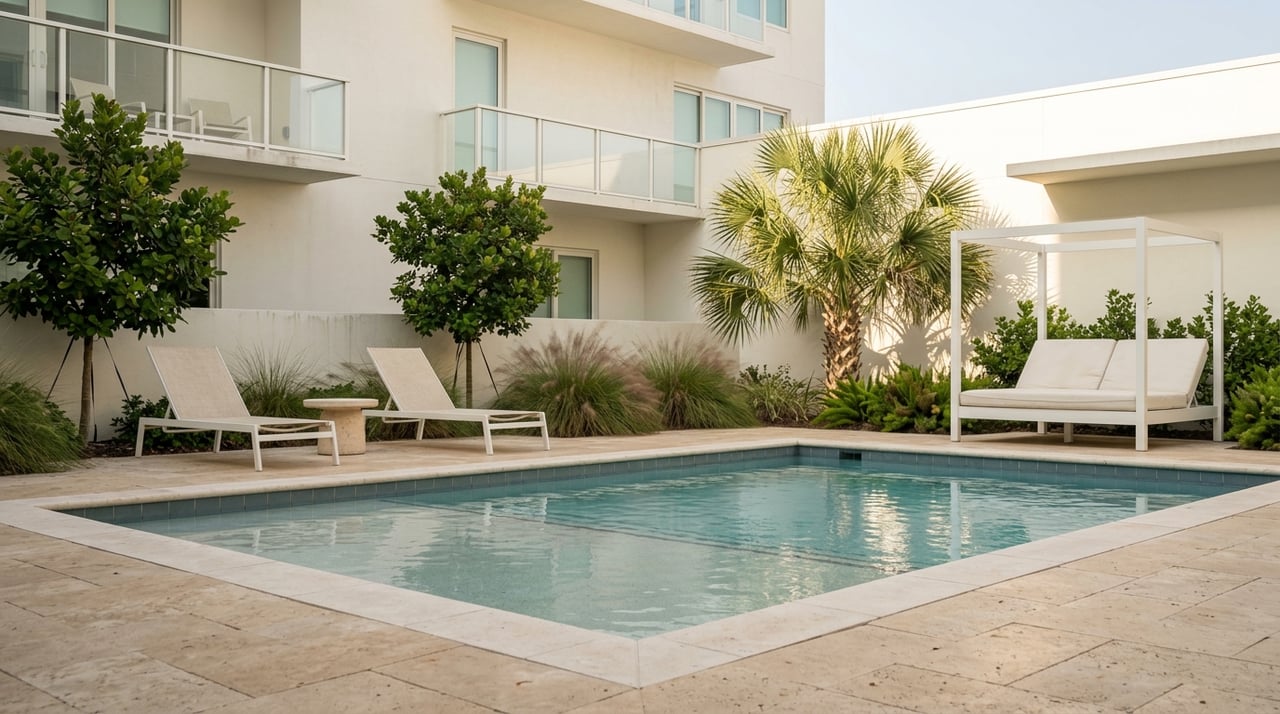
Buying a Second Home Condo on Perdido Key
July 2, 2026
July 2, 2026
If buying a second home on Perdido Key sounds dreamy and a little overwhelming, you are not alone. Coastal condo purchases come with extra layers like association documents, insurance questions, tax details, and rules around personal use versus rental use. The good news is that when you know what to review early, the process gets much simpler and far less stressful. Let’s dive in.
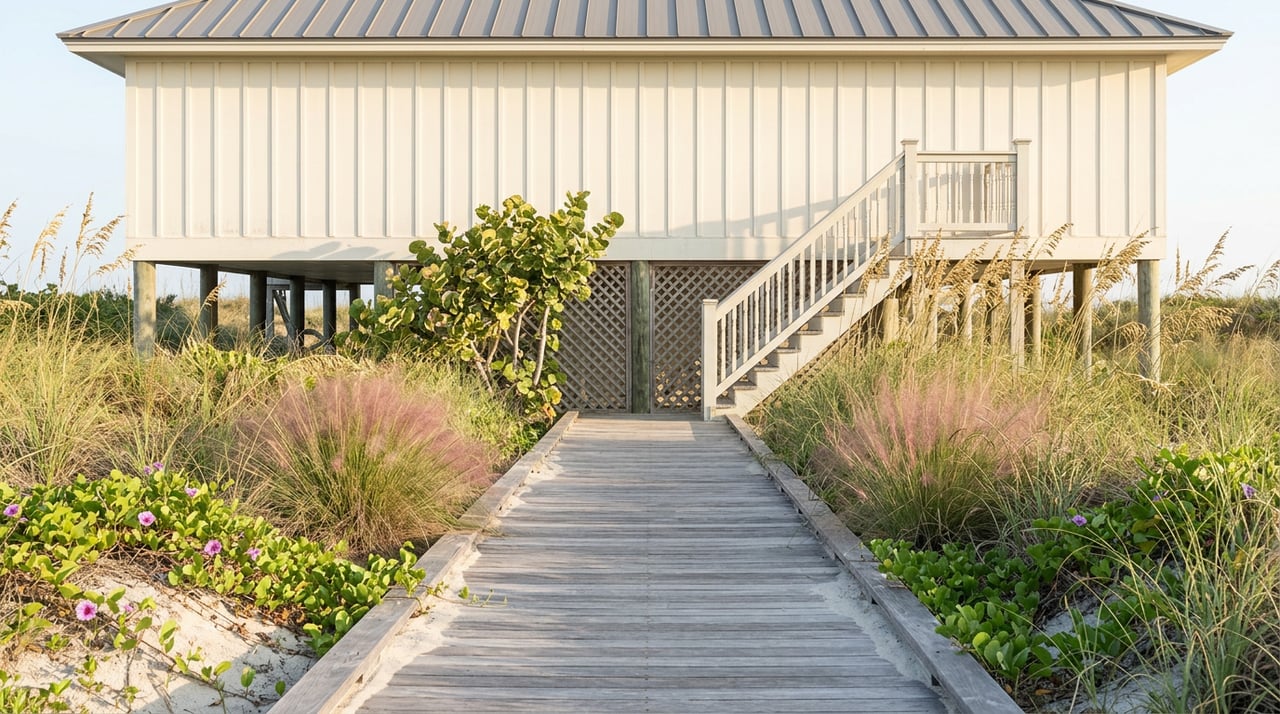
Perdido Key offers the kind of beach setting many second-home buyers picture from the start. Its barrier-island feel is shaped by protected shoreline, public beach access, and natural coastal scenery rather than a purely inland residential layout. That creates a strong lifestyle appeal if you want easy access to sand, water, and outdoor recreation.
The area includes amenities tied to protected coastal land, including beach crossovers, boardwalk access, day-use areas, restrooms, showers, a small boat launch, and multi-use paths in nearby public areas. At the same time, some of these spaces are more regulated than buyers expect. For example, the Perdido Key area of the Gulf Islands National Seashore requires an entrance fee and does not allow roadside parking, RV parking, or overnight parking.
That mix of beauty and regulation matters when you shop for a second home here. Perdido Key State Park also notes protected habitat for the Perdido Key beach mouse, nesting shorebirds, and nesting sea turtles. In practical terms, that means coastal ownership on Perdido Key often comes with dune-protection rules, access controls, and more sensitivity to weather and shoreline conditions.
A stress-free second-home purchase starts with a realistic carrying-cost estimate. On Perdido Key, that number is usually shaped by more than just your mortgage payment. You will want to account for property taxes, association dues, reserve funding, and insurance costs from the beginning.
Escambia County property taxes are billed annually beginning November 1. The county tax collector says bills are sent to the owner’s last recorded address, and taxes become delinquent on April 1. Early-payment discounts may apply from November through February.
That mailing detail is especially important for second-home owners who do not live in the property full time. The county also notes that owners remain responsible for paying the tax bill even if a mortgage escrow account exists. If you buy a condo on Perdido Key, review the full tax bill carefully, not just the ad valorem portion.
In unincorporated areas, tax bills may include non-ad valorem assessments for services such as fire protection, rescue and advanced life support, street lighting, road paving, retention ponds, and solid waste. Those charges can affect your annual cost more than expected. For second-home buyers, they should be part of the budget conversation right away.
Florida’s homestead exemption applies when a property is your permanent residence. If you are buying a true second home on Perdido Key, you typically should not expect that exemption. That makes assessed value, millage rates, and any non-ad valorem charges even more important when estimating your long-term costs.
Association dues are one of the biggest line items in many Perdido Key condo purchases. Those dues may support shared building operations, maintenance, and reserves. In Florida, condo buildings three stories or higher are subject to structural integrity reserve study requirements, which is one reason reserve funding deserves close attention.
The reserve study must identify certain structural items, remaining useful life, replacement cost or deferred maintenance expense, and a reserve funding plan. For buyers, that means the association budget is not just a side document. It is a key part of understanding whether the building appears financially prepared for future repairs and maintenance.
Insurance is one of the fastest ways a second-home budget can change. On the coast, you should not assume one policy covers every major risk. Perdido Key buyers should expect to look at flood exposure and wind exposure separately.
FEMA explains that standard homeowners insurance does not cover flood damage. Flood insurance may also be required by a lender if the property is in a Special Flood Hazard Area. The Florida Chief Financial Officer separately explains that hurricane coverage is windstorm coverage and does not include flooding.
That distinction matters a lot when comparing condos. Two properties with similar prices can have very different carrying costs based on flood zone, building coverage, and lender requirements. Verifying insurance exposure early can save you from getting attached to a property that does not fit your comfort level or budget.
If you want the smoothest path to closing, condo document review should happen as early as possible. Florida gives buyers meaningful access to important condo records, and those records can tell you a great deal about the building’s condition and financial health. This is one of the best ways to reduce surprises.
For applicable condos, Florida law makes several documents central to the sale process. These can include the current milestone-inspection summary, any turnover inspection report, and the association’s most recent structural integrity reserve study. Florida law also places inspection reports and reserve studies in the association’s official records, and the Department of Business and Professional Regulation says those records must be available to potential purchasers.
Beyond those items, it is smart to request the core governing and financial documents as early as possible, including:
Early review gives you time to spot issues before you are emotionally committed. It also helps you understand whether the association’s rules and financial structure fit the way you plan to use the property.
On the Florida coast, building age is more than a background detail. Under Florida law, a building that is three habitable stories or more and subject to condo or cooperative ownership must have a milestone inspection by the year it reaches 30 years of age and every 10 years after that. A local enforcement agency may require the first inspection at 25 years because of conditions such as proximity to salt water.
DBPR also notes that milestone inspections and structural integrity reserve studies are separate requirements. That means buyers should not treat one as a substitute for the other. On Perdido Key, where saltwater exposure is part of the setting, both deserve careful review.
When you review a condo, the most useful questions are often the simplest ones. You do not need to overcomplicate the process to make a smart decision.
Ask questions like these:
These questions flow directly from Florida’s inspection, recordkeeping, and disclosure framework. They also help you separate a beautiful listing from a truly workable second-home purchase.
Many buyers want flexibility with a second home. You may plan to use the condo personally most of the year, or you may want occasional guest rentals. Either way, it is important to confirm that your intended use lines up with financing rules, tax obligations, and association restrictions before closing.
Fannie Mae says a second home must be occupied by the borrower for some portion of the year, be suitable for year-round occupancy, and be under the borrower’s exclusive control. It also cannot be rental property or a timeshare arrangement. Rental income may exist without automatically disqualifying the property as a second home, but it cannot be used to qualify the borrower.
Another important point is management control. If a property is subject to management control or a rental pool, it may not fit second-home financing. That is why your financing classification should be confirmed early, especially if you are looking at condos in buildings with strong vacation-rental activity.
If you plan to rent the condo to guests for six months or less, Florida sales tax applies and counties may add transient-rental tax. Florida’s general state sales tax is 6%. Current Florida Department of Revenue rate tables list Escambia County’s local option transient rental tax at 5%, and current discretionary sales surtax tables list Escambia County at 1.5%.
The Department of Revenue says sales tax and surtax on transient rentals are reported to the department, while the local transient tax may be handled locally depending on the county. Escambia County also says most businesses doing business in the county need a business tax receipt. The county advises checking city rules first because a city denial can make the county application non-refundable.
The takeaway is simple. If occasional renting is part of your plan, confirm the building rules, financing fit, and tax setup before you buy, not after.
If you want to keep your second-home search organized, start with a short checklist and work through it early in the process.
This approach works because it keeps the focus on the biggest stress points first. On Perdido Key, the cleanest path is usually to confirm documents, insurance exposure, taxes, and intended use before you get too far down the road.
Buying a second home should feel exciting, not chaotic. With the right local guidance and a clear due-diligence plan, you can enjoy the lifestyle appeal of Perdido Key while making a confident, informed decision. If you are thinking about a coastal condo or beach-area retreat, The Sunchase Team is here to help you navigate the details with a calm, concierge-style approach.
Stay up to date on the latest real estate trends.
The Sunchase Team are dedicated to helping you find your dream home and assisting with any selling needs you may have. Contact us today to start your home searching journey!
220 W Garden St Ste 200 Pensacola FL 32502